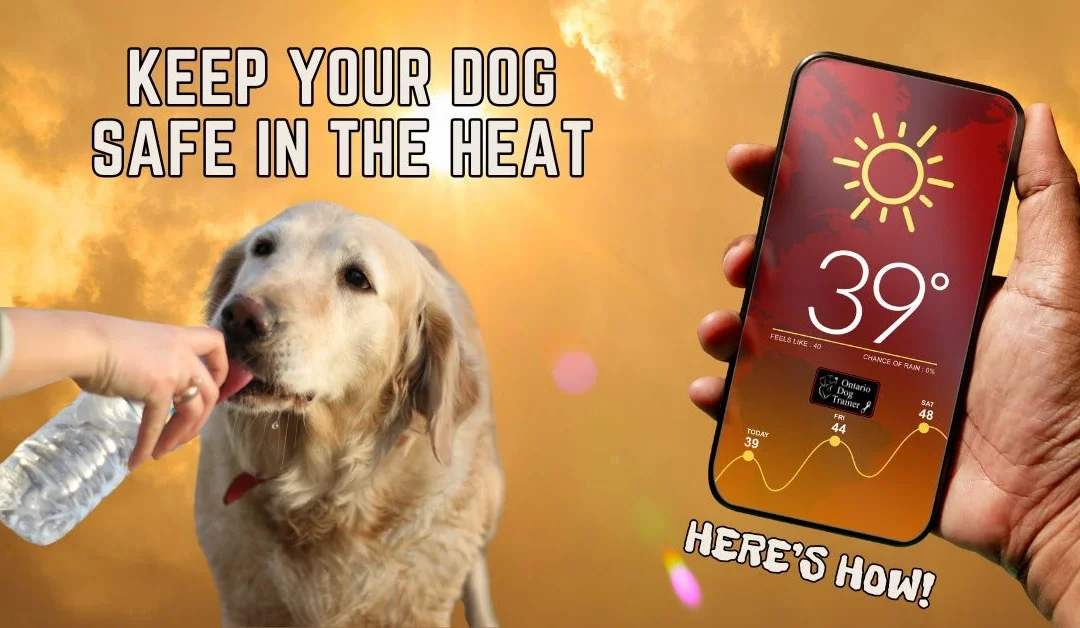
Ever wonder if it’s really “too hot” to walk your dog, or if you’re just being overly cautious? I get asked that a lot. The truth is—if you’re wondering, you’re probably right to pause. Dogs can get into serious trouble in the heat, and they won’t stop themselves before it’s too late.
This guide is here to help you understand the signs, prevention, and smart steps to protect your dog during hot weather. Because heat pet safety isn’t just something to think about—it’s something to act on.
What You’ll Learn Here
- When it’s too hot to walk your dog
- How dogs cool off (and why it’s not always effective)
- Signs of heatstroke
- What to do if your dog overheats
- Tools and products that help
- Common myths about heat and dogs
- Seasonal tips for Canadian and U.S. climates
Why Heat Pet Safety Matters
Dogs don’t sweat like we do. They rely on panting and limited sweat glands in their paws. Once that system gets overwhelmed, their internal temperature rises fast—and dangerously. Flat-faced breeds, older dogs, puppies, overweight dogs, and dogs with thick coats are especially vulnerable.
Every year, I hear stories from owners who didn’t realize how fast heatstroke can set in. Let’s make sure you’re not one of them.
How Hot Is Too Hot?
If the pavement feels hot to your hand, it’s too hot for your dog’s paws. Period. On a 25°C day (77°F), asphalt can hit over 50°C (120°F). That’s hot enough to burn.
Want a simple check? Try this:
- Place the back of your hand on the ground.
- If you can’t hold it there for 7 seconds, it’s too hot.
Heat pet safety starts before you even put the leash on. And walking early or late in the day isn’t just a suggestion—it’s a rule I live by.
How Dogs Regulate Heat (and Why It’s Not Enough)
Dogs mainly cool themselves by panting. That’s a limited system. Once the air around them is too warm, or they’ve been active too long, their ability to cool off shuts down.
Think of it like this: they’re breathing hot air, wearing a fur coat, and walking barefoot on hot pavement. If they’re panting heavily, drooling, and slowing down, that’s your cue to stop.
Early Signs of Heatstroke
Don’t wait for collapse. Learn the signs. Early intervention can save your dog:
- Heavy panting
- Bright red gums or tongue
- Excessive drooling
- Weakness or wobbling
More serious signs include vomiting, confusion, or collapse. That’s when you act fast: cool them down, and get to a vet.
What to Do If Your Dog Overheats
Start cooling your dog the moment you spot signs of trouble:
- Move them into shade or indoors
- Apply cool (not cold) water to belly, paws, underarms
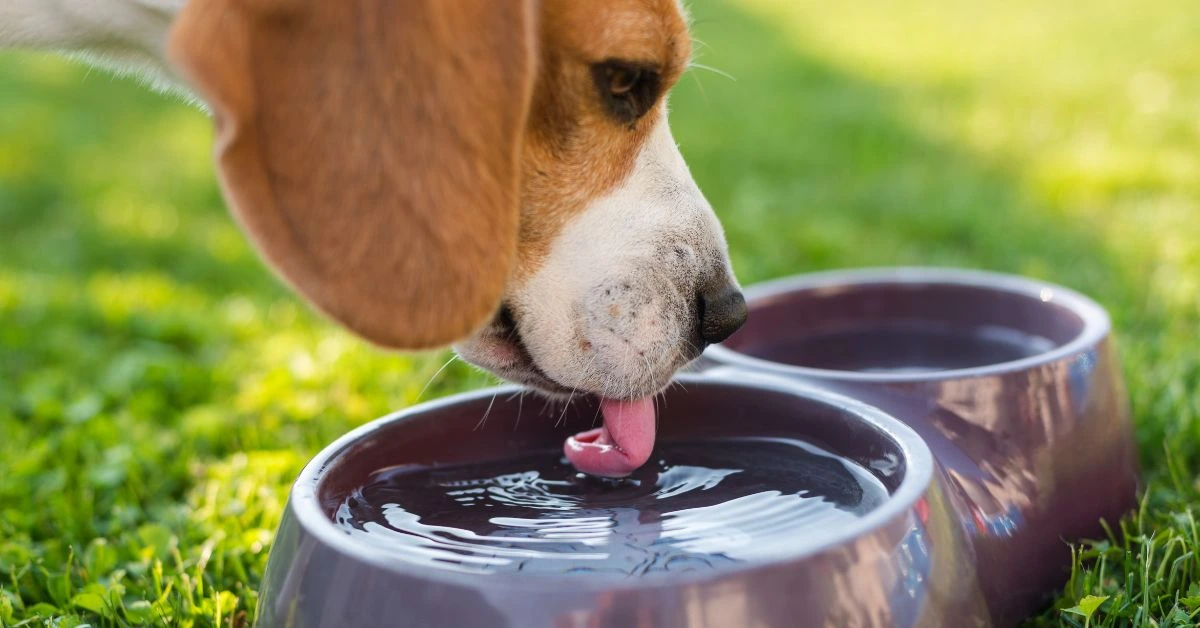
- Offer small sips of water
- Call your vet right away
And please—skip the ice baths. Cooling must be gradual. Sudden temperature drops can shock the system.
Tips That Make a Real Difference
Heat pet safety doesn’t have to be complicated. It’s about awareness and a few solid habits:
- Walk before 9 a.m. or after 7 p.m.
- Stick to shaded trails or grass
- Carry water and a collapsible bowl
- Use cooling gear like vests or bandanas
- Keep outdoor play short and watch closely
I also set up a shaded, breezy spot in the yard for rest days. Dogs need airflow—not just shade—to cool off.
Tools That Help (But Aren’t Magic)
Cooling vests, mesh dog beds, frozen treat toys—they all help. But they’re not a free pass to stay out in the heat. I treat them like tools, not solutions.
Some personal favorites:
- RC Pets Cooling Vest (Canadian company)
- Coolaroo Elevated Dog Bed
- Frozen Toppl toys filled with raw or wet food
Use them—but always supervise.
Should You Shave Your Dog?
Most of the time? No. Especially for double-coated breeds like Goldens, Huskies, or Shepherds. Their coats insulate them from heat as well as cold.
Instead, brush regularly to remove the undercoat and allow for better airflow. Trim problem areas if needed, but skip the full-body shave unless your vet recommends it.
Do Dogs Really Need Sunscreen?
If your dog has light skin, a thin coat, or pink areas like noses and bellies—yes, they might.
Use only dog-safe sunscreen. Human formulas often contain zinc, which is toxic to dogs. Apply to:
- Nose
- Ear tips
- Belly (if exposed during sunbathing)
If you’d burn in that spot, so would they.
Don’t Leave Them in the Car
Ever. Even if the windows are cracked. Even if you’ll “just be a minute.”
On a 24°C (75°F) day, your car’s interior can hit 38°C (100°F) in ten minutes. That’s deadly. Bring someone with you to stay in the car with the AC on—or leave your dog at home.
Which Breeds Are More at Risk?
You’ve probably heard the usual list:
- French Bulldogs
- English Bulldogs
- Pugs
- Boston Terriers
But even high-energy breeds like Retrievers, Shepherds, and Boxers can struggle. Black coats absorb more heat, and thick coats trap it. Know your dog, not just their breed.
Heat Pet Safety in Canada vs. the U.S.
Canadian summers can sneak up on you. One cool morning doesn’t mean the afternoon won’t hit 30°C. Plan for the peak—not the start—of the day.
In the U.S., prolonged heat waves make heat fatigue a real risk. People get used to high temps and let their guard down. That’s when accidents happen.
Humidity is the silent risk. If it’s hot and humid, skip the walk.
Not Safe to Walk? Do This Instead
If it’s too hot outside, switch to mental enrichment. A tired brain is as good as a tired body:
- Food puzzles or treat-dispensing toys
- Scent games around the house
- Short training sessions inside
- Frozen chew treats
Your dog doesn’t need a two-hour hike. They need stimulation—and safety.
Final Thoughts on Heat Pet Safety
Heat safety isn’t about being overprotective. It’s about responsibility. You know your dog best. Trust your gut. Don’t push it. Be the one who cancels the walk, checks the pavement, and sets the boundary.
Because dogs won’t.
And when you protect them, they notice. They stay healthy, confident, and ready for adventure—when the time is right.
Enjoyed this read? For more no-nonsense insights on dog training and behavior, check out my earlier blogs:
There’s always something new to learn, even if it’s just a different perspective on the everyday challenges we face. Happy reading
Let’s stay connected: