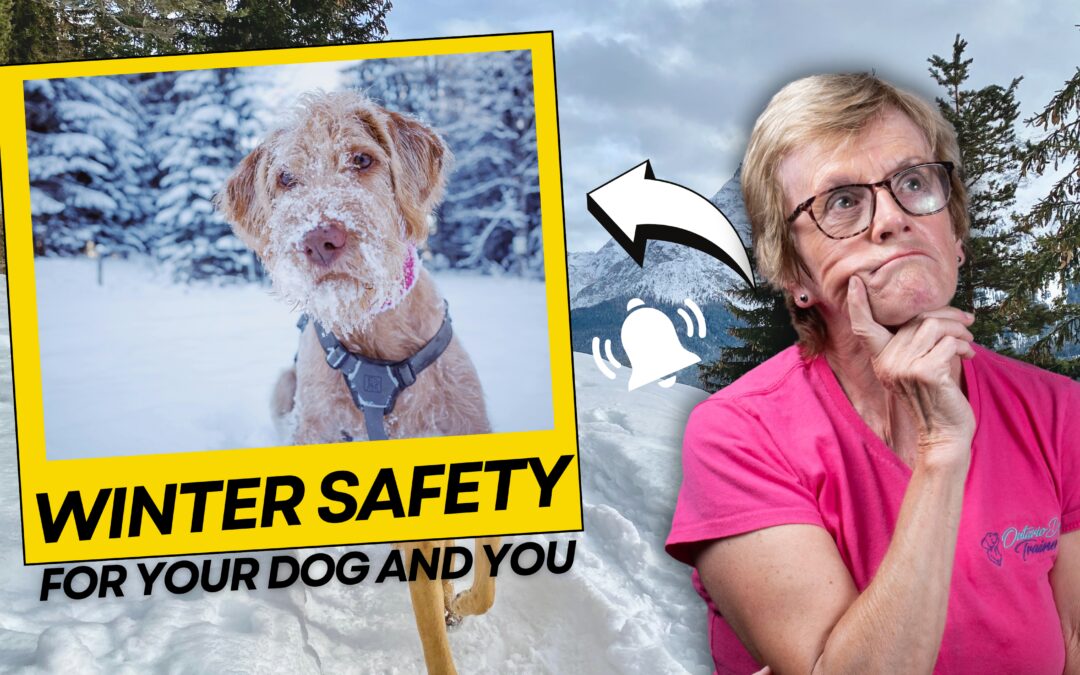
Winter in Canada has a sense of humour. One day, you are strolling on dry pavement. The next day, you step outside and question why you live here. Your dog does not care. They still need to go out, burn energy, and stay mentally balanced. The real trick is keeping both ends of the leash safe while doing it.
Below you will find the biggest winter dangers, simple indoor exercises that keep the energy calm, and natural ways to support both dogs and their owners through the cold season.
Before we start, here is what we will cover.
- The five biggest winter dangers for dogs and humans
- Five indoor exercises that keep your dog fulfilled without chaos
- Five natural supports that make winter easier on bodies and brains
Let us get right to it.
The Five Biggest Winter Dangers for Dogs and Their Owners
1. Slippery footing
Ice is the great equalizer. Puppies slip. Senior dogs slip. Humans slip. One wrong step and you are replaying the moment in your head while holding a bag of frozen peas on something that now hurts.
Protect yourself with proper boots and traction. Protect your dog by keeping the leash short enough that you can support them when they hit a patch of ice. Side note. Flexi leashes are not winter gear. They are a tripwire with branding.
2. Snowbank overconfidence
Dogs love to plow face-first into snow. This is charming until they vanish into a drift that hides branches, sharp ice, or salt chunks. Keep them close enough that you can redirect before they end up looking surprised and offended.
3. Cold exposure
Some dogs pretend they are Arctic explorers. Others would file a complaint if they had thumbs. Both can get frostbite or hypothermia if you misjudge the temperature. Short sessions outside. Watch their ears, paws, and body posture. Shivering is your cue to head in, not a suggestion.
4. Chemical salt and antifreeze
Winter sidewalks come coated in salt that burns paws. Driveways can hide antifreeze since it tastes sweet. That combination is not one to gamble with. Use dog safe salt on your property and rinse or wipe paws after every walk. If your dog starts licking their paws like they discovered a new hobby, check for irritation.
5. Low visibility
Between early sunsets and drivers who seem unclear on how headlights work, winter walks can feel like an exercise in risk management. Wear reflective gear. Put a light on your dog. Make yourself visible so you do not become a cautionary tale.
Five Indoor Exercises That Keep Dogs Calm and Fulfilled
Dogs do not need chaos to burn energy. They need structure, engagement, and a job to do. Here are five indoor exercises that keep things peaceful rather than turning your living room into a demolition site.
1. Structured scent drills
Hide four or five small pieces of food around a room. Start easy so your dog wins. Gradually make it more challenging. Sniffing drains energy faster than most people realize and it keeps the brain busy without the circus act.
2. The Great Stroll inside
Walk slow laps through the house. Stop often. Ask for a sit. Reward calm eye contact. Start again. This is not glamorous but it settles the nervous system. Think of it as indoor Tai Chi for dogs.
3. Place work with time extensions
Put your dog on a bed or mat. Reward calmness. Increase duration with small increments. This builds impulse control and helps the dog practice switching off in real time. Households with excitable dogs find this one life-changing.
4. Food puzzle routines
Rotate a few puzzle feeders. Choose ones that encourage thought, not wild shaking. You want your dog to use their brain, not redecorate your home with flying kibble.
5. The tether and settle
Clip the dog to a sturdy point. Pull the slack out of the leash. Let them work out the fidgets while you ignore the theatrics. This is Sit on the Dog with a winter twist. It teaches self regulation, something the whole house appreciates.
Five Natural Winter Supports for Dogs and Humans
Winter takes a toll on joints, immunity, and general pep. Here are five natural supports that help the season feel less punishing.
1. Omega threes
Good for joint mobility, skin health, and overall inflammation control. Dogs benefit. Humans benefit. It is one of the simplest additions to a winter routine.
2. Hydration habits
Cold weather fools dogs into drinking less. Humans are not much better. Dry air pulls moisture from both of you. Keep water available. Add a splash of warm broth for dogs who need encouragement.
3. Warm up and cool down
A short warm up walk in the house before going outside reduces muscle strain. The same rule applies when you come in. Let your dog decompress instead of blasting into the living room like a snow soaked tornado.
4. Gentle stretching
Senior dogs especially appreciate slow, controlled stretching before and after walks. Humans would too if we could admit we are not invincible.
5. Support the gut
A healthy gut supports immunity for both dogs and humans. Raw food diets like Smack Pet Food help maintain a strong gut microbiome because they preserve enzymes and beneficial bacteria. Healthy digestion equals better energy and better resilience throughout winter.
Watch this video to see how to safely walk your puppy on a long line in winter.
Final Thoughts
Winter does not have to be a season of slipping, shivering, and hoping your dog magically becomes low maintenance. With a little structure, a few simple routines, and some thoughtful backup support, you can keep your dog calm, fulfilled, and safe.
And you might even stay upright on the ice, which is always a win.
🎧 Listen to my podcast, Paws and Profits
If you want to understand the real work behind great dog training, this is where I break things down. I share stories from the field, talk through the “why” behind calm leadership, and give you the kind of perspective most trainers never hear.
📺 Watch my latest training videos on YouTube
Real dogs, real people, real progress. You’ll see exactly how small changes in structure and mindset can shift behaviour at the door, on walks, and everywhere else life happens.
💻 Book an online training session
If you want clear direction and practical steps you can use right away, I offer one to one virtual coaching. You’ll get straight answers, steady guidance, and a plan that actually makes sense for you and your dog.