If you think dog fights happen because someone “lost control,” you’re already behind the problem.
They usually happen because someone skipped a step.
Not out of laziness.
Out of familiarity.
Out of comfort.
Out of “they’ve always been fine before.”
That’s exactly how this one started.
And if I hadn’t followed my own crisis protocols when things went bad, the ending could have been very different.
Before We Start, Let’s Set the Context
This story applies when you know one or more of the dogs involved.
A friend’s place.
Your property.
A shared walk.
A familiar group where history exists.
This is not about two unknown dogs colliding in the street. Some principles still apply, but that’s a different conversation.
This is about what happens when you let familiarity replace standards.
My Non Negotiable Arrival Protocol
I don’t wing introductions. Ever.
Harmony in a multi dog environment is built before dogs ever interact.
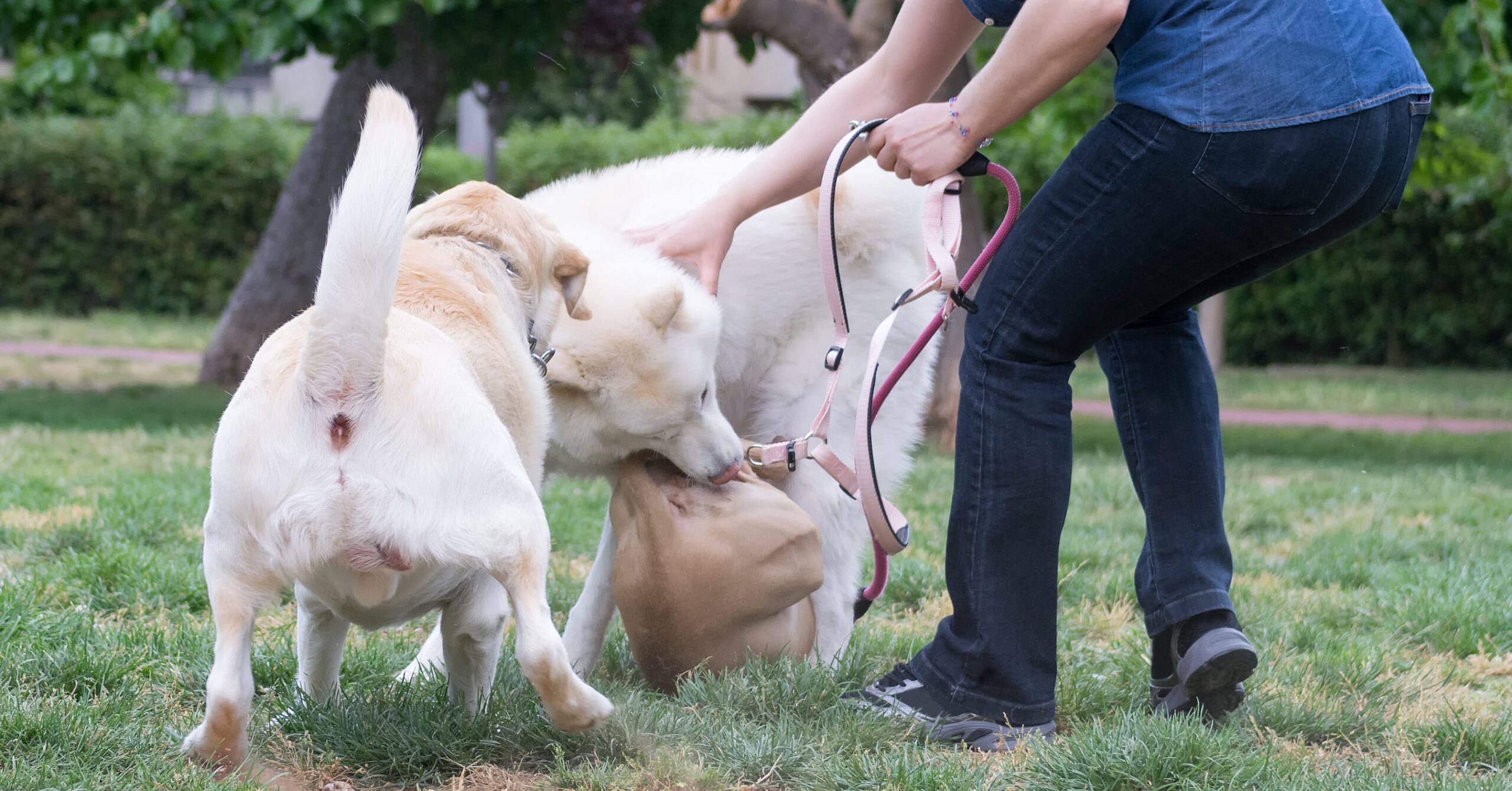
Here is my default, no exceptions plan.
First, a one on one decompression walk.
Every new arrival gets a solo walk with me. Car rides elevate stress even short ones. The walk reconnects the dog to a calm human and lets their nervous system settle.
Second, crate rest before social time.
New dogs go into the kennel house. Not isolation, observation. This allows scent exchange and energy reading without pressure.
Third, controlled introductions one dog at a time.
I always start with Prince, my Malinois. He is the boss and the dog with the greatest capacity to cause harm. He always wears a muzzle for initial introductions. Always. Even if it’s only for a few minutes.
Fourth, slow integration.
Other dogs are added one at a time if appropriate. Sometimes over days. Crate rotation helps dogs acclimate without contact overload.
Finally, I listen to my gut.
That quiet voice that says stick to the plan is usually right. Every time I ignore it, I pay for it later.
This day, I ignored it.
The Setup
The Saturday after Christmas, friends came by with their two Golden Retrievers for an off leash walk through our field and trail. At the same time, Bruiser the Frenchie arrived for his New Year PlayCation. Add Pippy to the mix and we had five dogs moving together.
The walk was fine.
Busy.
Energetic.
But manageable.
Walter and Bruiser were pushing the edge with rough play, but movement kept things regulated.
Inside afterward was another story.
Walter was vibrating. He earned himself a sit on the dog. Bruiser needed the same treatment. Friendly but relentless. Both needed structure, not freedom.
After our friends left, I released Prince from his crate and took everyone out for one last off leash walk before dinner.
Here’s where standards slipped.
Bruiser had not been properly re introduced to Prince. Something I always do. Prince had been crated while the others played. Add fatigue, frustration, and winter energy, and the pot was already simmering.
Where It Went Wrong
If fights happen, they usually happen near the end.
Dogs don’t fight fresh.
They fight tired.
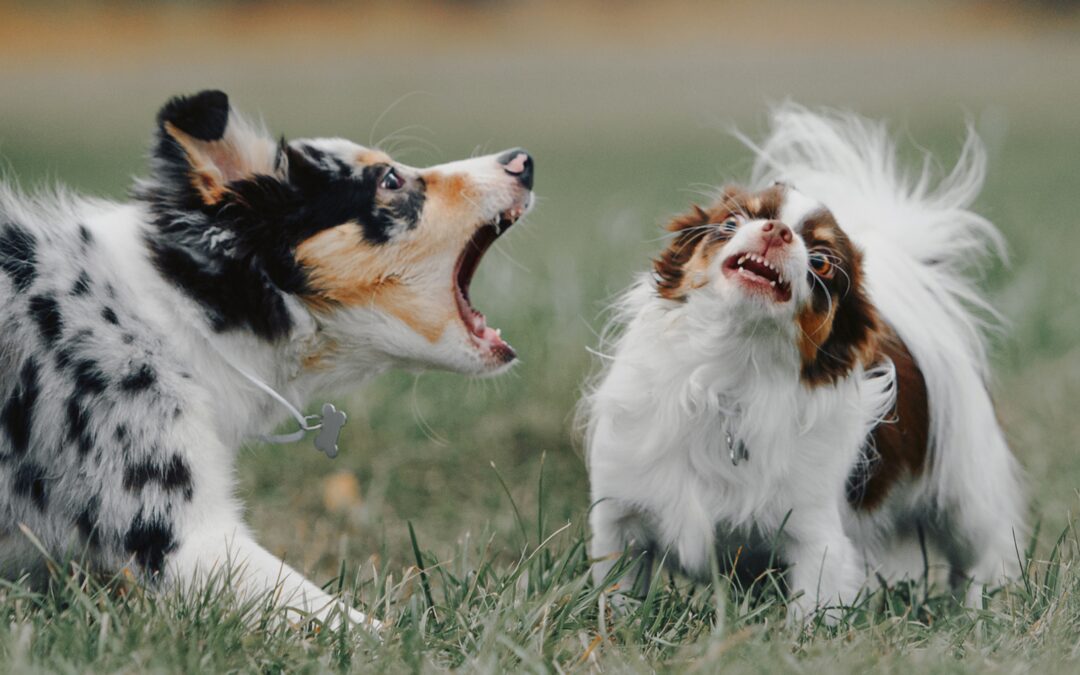
We were heading back through the trees. Walter was pestering Bruiser. Bruiser escalated into loud Frenchie play. Prince read it as a challenge.
Lip curl.
Hard eye contact.
Forward movement.
Then contact.
Prince grabbed Walter by the neck. Walter rolled. Prince adjusted his grip and shook. Bruiser tried to intervene. Pippy screamed commentary.
And my first “NO” didn’t land.
That’s when you know you’re in it.
Rule One in a Dog Fight: Decide Fast
You don’t have time to debate morality or technique.
You need a plan and a backup.
I had no leash. No tools. Deep snow. No help.
I went straight to choking off air by twisting Prince’s collar. It didn’t work. His eyes told me he was deep in red zone.
So I moved to the next option.
I threw my body onto both dogs to disrupt balance and pressure. Prince shifted his grip to Walter’s leg. We slid in the snow. I kept moving toward the grip. Always toward the grip.
I stayed quiet.
I protected my face.
I waited.
This matters more than people realize. Adrenaline feeds adrenaline. Calm drains it.
When I saw Prince’s eyes soften, I knew the window was opening.
I reached for the collar. Opened his mouth. Walter escaped.
We walked out. Prince in heel. Dogs moving. No chaos.
The Aftermath
Walter lost a small patch of skin. That’s it.
And here’s the part that still makes me pause.
Prince initially grabbed the receiver box of Walter’s e collar instead of his throat.
This isn’t the first time I’ve seen that box prevent a fatal grip.
That’s not luck. That’s reality.
The Lessons That Matter
1. Never Assume
History means nothing when conditions change. Fatigue, frustration, missing steps. I skipped my own protocol and paid for it.
2. Structure Beats Familiarity
Just because dogs have been fine before does not mean they are fine today. Standards exist for tired days, not easy ones.
3. Stay Calm or Make It Worse
Panic escalates fights. Calm ends them. Dogs regulate off your nervous system whether you like it or not.
4. Be Willing to Get In
You may take a bite. That risk is often smaller than the cost of hesitation. Vet bills. Lawsuits. Dead dogs. Choose wisely.
5. Set Standards and Follow Them
Rules only protect you if you actually use them. Skipped steps don’t disappear. They wait.
Addendum: What to Do After a Dog Fight
A preventative focus is critical, but no amount of planning makes dogs infallible. If an altercation results in a puncture or laceration, here are the key steps every owner and trainer should follow:
1. Immediate Veterinary Assessment
Even if a wound looks manageable, punctures and deep lacerations should be evaluated by a veterinarian as soon as reasonably possible. Hidden damage or infection risk can be significant.
2. Communicate Right Away
The owner’s right to know comes first. Send photos, describe what happened, and discuss next steps together. This builds partnership and trust.
3. Avoid Assumptions
What looks minor can become complicated. If in doubt, err on the side of caution — both medically and communicatively.
In the post above, I focused on foundational preventative protocols. However, that discussion was incomplete without this follow-through. These aftercare principles should be part of every trainer’s practice and every owner’s understanding.
Final Thought
This could have gone very differently.
It didn’t because I had standards before the fight and protocols during it.
That’s leadership.
Not control.
Not luck.
Standards followed on calm days are what save you on the hard ones.
If you found this helpful, you’ll love the deeper dives I share every week
🎧 Listen to my podcast, Paws and Profits — where I talk about the real work behind great dog training, share stories from the field, and help you understand the “why” behind calm, connected leadership.
📺 Watch my latest training videos on YouTube — real dogs, real people, real progress. You’ll see how small changes in structure and mindset transform daily life at the door and beyond.
And if you’re ready to work directly with me, you can book an online training sessions. You’ll get personalized support, clear structure, and practical solutions you can start using right away — all from the comfort of your home.
You can find everything — my podcast, YouTube channel, and online coaching options — at https://ontariodogtrainer.com.
Start today. Teach calm, lead clearly, and keep your dog safe every time the door opens.