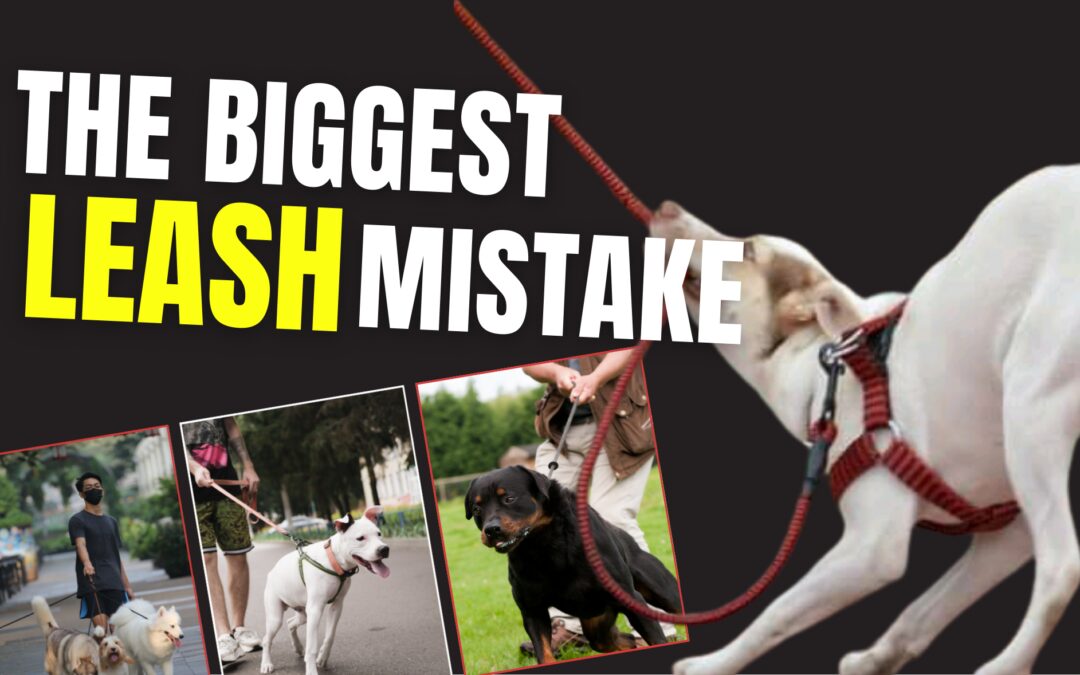
Spring is almost here, and for dog owners, that means longer walks, warmer weather, and more time outside. But if your dog turns every walk into a tug-of-war, the season can feel more stressful than enjoyable.
Leash pulling is one of the most common frustrations dog owners face. It can make walks exhausting, strain your arm and shoulders, and even create safety risks if your dog lunges toward people, squirrels, or other dogs. The good news is that pulling on a leash is a learned behavior that can easily be ‘unlearned’ with the right training and mind set. With the right approach, you can teach your dog to walk calmly beside you and actually enjoy your Spring outings together.
Here are five leash walking fixes every owner should know before Spring walks begin.
1. Stop Rewarding the Pulling
Many owners accidentally train their dog to pull without realizing it. Every time your dog pulls forward and still gets to keep moving, they learn not only that pulling works, but pulling harder is what’s needed to go where they want.
Dogs repeat behaviors that get results. If pulling helps them reach the tree, the smell, or the park faster, they will keep doing it.
To change that pattern, make one rule consistent: pulling never moves the walk forward.
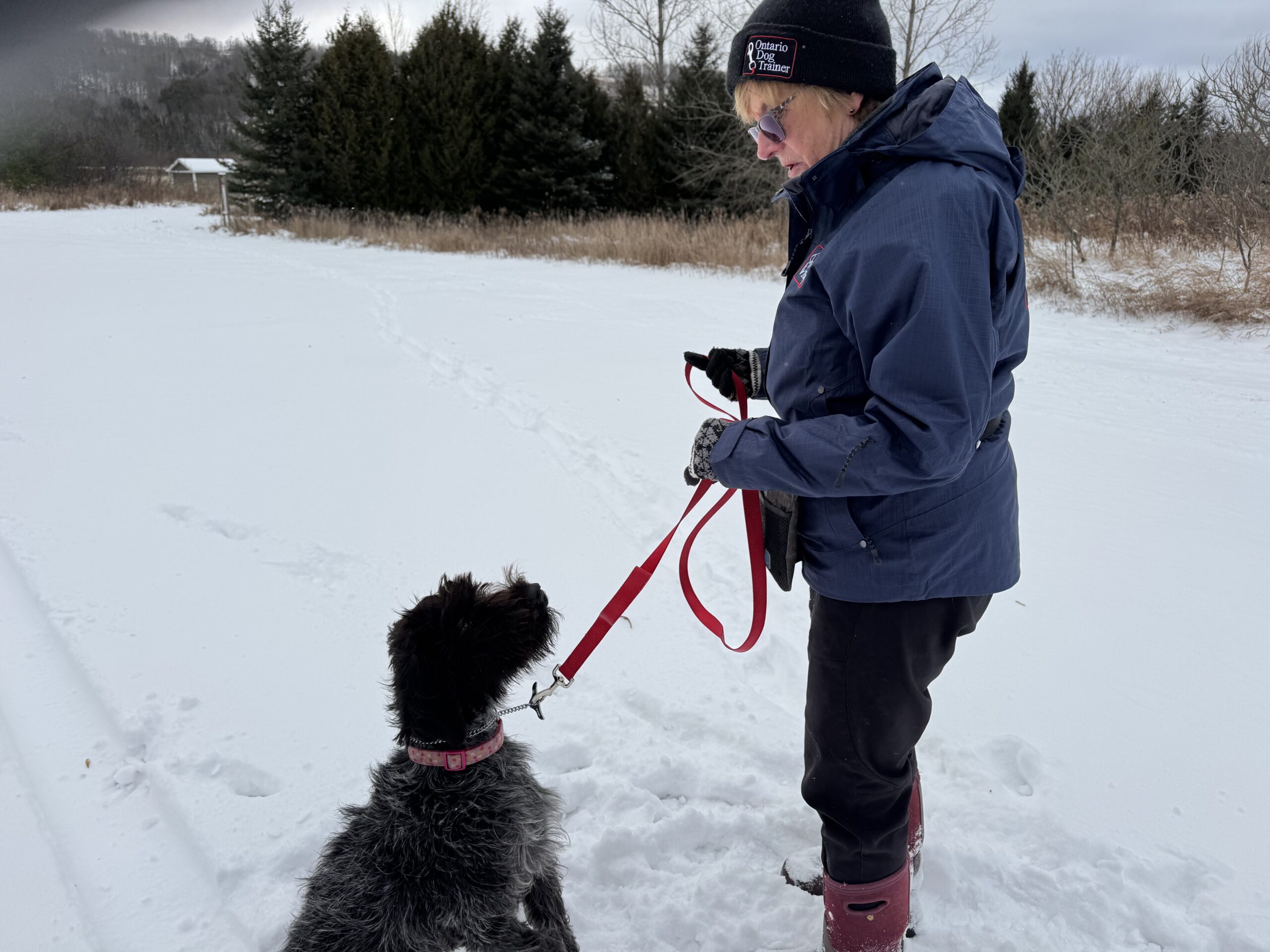
When your dog tightens the leash, stop walking immediately. Stand still and wait for the leash to loosen. The moment your dog turns back toward you or gives you slack, mark the behavior with an enthusiastic “yes!” and start walking again. This teaches your dog that a loose leash makes the walk continue, while pulling makes their fun stop.
It may feel slow at first, but calm energy and consistency is what makes this work.
2. Build a Working Mindset – Teach your dog to Work for their Food, Not Just Verbal Praise
As predators, dogs are genetically hard-wired to ‘work’ for their food. Without work, dogs often ignore their food (the grazing syndrome). For many dogs, the outside world is far more exciting than hearing “good dog.” Spring smells, birds, people, and movement can easily overpower your voice.
In reality, a dog’s primary focus is their own safety and survival. Your dog instinctively knows they need food to survive, and their DNA wires them to ‘do’ something to earn their food. Becoming the source of their survival – i.e., their food, easily builds a focus on you and with consistent practice, the ‘work’becomes the reward.
Bring a portion of your dog’s meal on each training walk. Reward your dog when they are walking in the desired location near you, are checking in, or keeping the leash loose. You are showing them that staying close is worth it.
Timing is important. Reward your dog while they are doing the right thing, not after they have already pulled ahead. This helps them clearly connect the behavior to the reward.
Over time, your dog will begin to choose your side of the leash more often because it pays off. As the habit becomes ingrained, the food reward can be faded.
3. Teach a Clear “Let’s Go” or Heel Cue
Dogs do better when they understand exactly what you want. Rather than hoping your dog figures it out, teach a simple ‘permission to walk’ cue like “let’s go.” Remember to launch with your foot that’s closest to your dog so that they see the movement from their peripheral vision and learn to associate your foot movement with moving forward together.
Start indoors or in a quiet area with fewer distractions. Say your cue, take a few steps, and reward your dog for staying near you. Keep sessions short (10 minutes or less) and positive. Once your dog understands the cue in a calm environment, practice outside in slightly more distracting places before moving to busy sidewalks or parks.
This creates structure in the walk. Instead of your dog deciding the pace and direction, they begin looking to you for guidance.
You don’t need perfect competition-style heeling. For most pet owners, the goal is simple: a dog that can walk near you, politely without dragging you down the street.
4. Burn a Little Energy Before the Walk
Sometimes leash pulling is not just a training issue. It’s an over-excitement issue.
A dog with pent-up energy often starts the walk at full speed. Expecting them to calmly stroll from the first step can be unrealistic, especially after a long winter indoors.
Before heading out, give your dog a quick energy outlet. This could be:
- A short game of fetch in the yard
- Tug for a few minutes
- Basic obedience drills
- A few rounds of “sit,” “down,” and “touch.”
This doesn’t need to be long. Even five minutes can be enough to get your dog ‘thinking,’ take the edge off and help your dog start the walk in a more focused state.
A calmer dog is easier to train, and a dog that is already mentally engaged with you is more likely to listen once the leash goes on.
5. Check Your Equipment
Not all walking gear helps. In some cases, the wrong equipment can actually make pulling worse.
A standard flat buckle collar may be fine for some dogs, but for strong pullers, it often acts as a restraint, gives you less connection with your dog and can put pressure on the dog’s neck in the exact area where you don’t want it – the throat. A body harness may seem like a better option, but it can actually trigger a dog’s instinct to ‘lean in’ and pull forward harder (think sled dog mentality).
The overall goal is not to rely on equipment alone, but to use tools that enhance your relationship with your dog and support training rather than fight against it.
Avoid retractable leashes for leash training. They often teach dogs that constant tension is normal, which works against loose-leash walking.
The right setup will not solve pulling by itself, but it can make training safer and more effective.
Watch my video on How to Master the Proper Leash Grip: Essential for Calm Walks
Why Spring Is the Perfect Time to Fix Leash Pulling
Spring naturally brings more opportunities to practice. The weather is better, days are longer, and both you and your dog are more likely to get outside consistently.
That consistency is exactly what leash training needs.
The key is not to wait because, regardless of age, your dog will not “outgrow” pulling. Pulling becomes a habit unless you actively teach something different. The sooner you start, the easier it is to build better walking habits before spring adventures are in full swing.
Final Thoughts
Walking your dog should feel enjoyable, not like a daily battle. If your dog pulls on the leash, don’t assume they are being stubborn or impossible to train. In most cases, they simply have not been shown a better way clearly and consistently enough.
By stopping forward progress when they pull, rewarding loose-leash behavior, teaching a walking cue, reducing excess energy, and using the right gear, you can transform your walks over time.
Spring is coming. Now is the perfect moment to build better habits and make sure your next walk feels calmer, safer, and more fun for both of you.
If you found this helpful, you’ll love the deeper dive into ‘The Great Stroll’ – online learning supported by live virtual group coaching sessions.
🎧 Listen to my podcast, Paws and Profits — where I talk about the real work behind great dog training, share stories from the field, and help you understand the “why” behind calm, connected leadership.
📺 Watch my latest training videos on YouTube — real dogs, real people, real progress. You’ll see how small changes in structure and mindset transform daily life at the door and beyond.
Be sure to follow me on Instagram and join my weekly Live show to get your questions answered and more, every Tuesday at 7:00 p.m. Eastern time.
And if you’re ready to work directly with me, you can book a free online assessment. You’ll get a clear roadmap for moving forward toward your dream dog. Our virtual programs are tailored to your unique needs, and offer personalized support, clear structure, and practical solutions you can start using right away — all from the comfort of your home.
You can find everything — my podcast, YouTube channel, and online coaching options — at https://ontariodogtrainer.com. Contact Karen and let’s talk.
Start today. Teach calm, lead clearly, and keep your dog safe every time the door opens.
About Karen
Karen M. Laws is a seasoned professional with decades of experience training dogs, educating people, and mentoring aspiring trainers. She has bred, raised, and successfully trained Labrador Retrievers for field competition. She has judged competitions across Canada and the United States. With a background as a Certified Elementary School Teacher and a career as a public servant, Karen brings a unique perspective to the dog training industry—combining hands-on expertise with a deep understanding of education and leadership.
As a former President and Director of the International Association of Canine Professionals (IACP), Karen holds multiple certifications in dog training and education and consistently advocates for higher standards in the profession.
She is the founder of The Ontario Dog Trainer (est. 2006), dedicated to helping pet owners create lasting, positive relationships with their dogs. She also leads the Dog Trainer TRIBE Training Online Academy, where she provides structured mentorship and education for trainers and dedicated pet dog owners looking to gain confidence, refine their skills, and create a successful, sustainable business and lifestyle with their dogs.
Karen’s approach goes beyond technique—she teaches trainers and pet dog owners how to understand the world from a dog’s perspective, foster strong client relationships, and develop their own unique style. Her blend of practical experience, straight-talking advice, and compassionate leadership makes her a trusted mentor for those looking to grow in the pet dog training industry.
Follow Karen on social media:
Instagram @karenlawslive
Facebook – https://www.facebook.com/KarenDogTrainer/
YouTube – https://www.youtube.com/@TheOntarioDogTrainer
LinkedIn https://www.linkedin.com/in/karenlawstheontariodogtrainer/