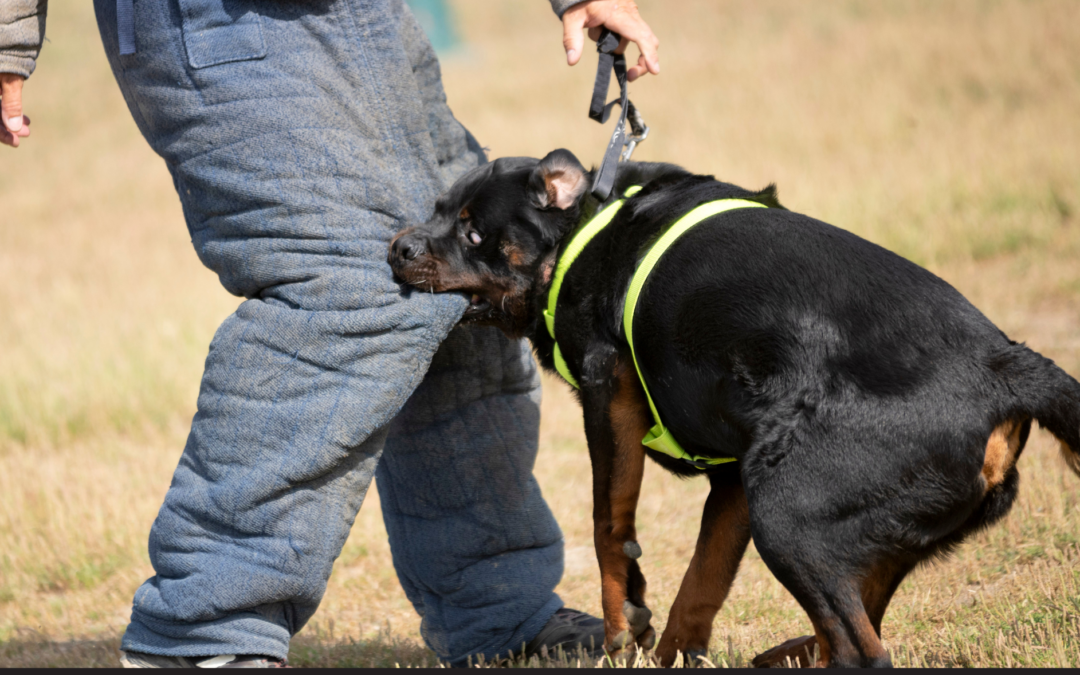
April 12 to 18, 2026, is National Dog Bite Prevention Week. It’s a timely reminder of something more people need to understand: most dog bites are preventable. Dogs don’t bite out of nowhere. In many cases, there were warning signs long before the bite happened, but the people involved either missed them, ignored them, or didn’t understand what the dog was trying to say.
Whether it’s your own dog, a neighbour’s dog, or a friendly-looking dog at the park, assuming a dog is safe to approach just because it has never bitten before is a mistake. Dogs bite because they’re scared, startled, overwhelmed, in pain, protecting something important to them, or feeling trapped with no clear way out. Those aren’t random reactions. They’re sensible responses from a dog that feels pressured beyond its comfort level.
Good dogs give warnings. When people miss warning signs, ignore boundaries, or let children interact with dogs without guidance, the risk of a bite goes up fast. Dog bite prevention is not about being fearful of dogs. It’s about respecting them enough to pay attention to their warnings.
In this article, you’ll learn why dogs bite, how to recognize warning signs, what mistakes increase the risk of a bite, and what adults should teach children to stay safe around dogs.
Why Dog Bite Prevention Matters
Dog bites are often talked about as if they were freak accidents.
They are not.
In many cases, the dog has already communicated discomfort long before the bite happens. The real problem is that many people don’t know how to read canine body language. Others assume a familiar dog is automatically safe. Some believe they could never get bitten because it’s their family dog, or because all dogs seem to like them. That confidence is often misplaced.
Dog bite prevention starts with a few basic truths.
Respect the dog in front of you.
All dogs have the potential to bite.
Not every dog wants to be touched.
Not every wagging tail means, “Come pet me.”
And not every patient dog is actually comfortable.
That last one gets ignored far too often. A dog can tolerate something and still be stressed by it.
Why Dogs Bite
Dogs bite for reasons that make sense to them.
The most common triggers include fear, pain, stress, surprise, guarding food or toys, protecting space, and feeling trapped. A dog may bite because it feels threatened, is startled, is in pain, is overwhelmed by noise or handling, or believes it needs to make the threat go away.
Even a well-trained, social dog has limits.
When those limits are pushed, the dog may first try to move away, freeze, turn its head, growl, or snap. A bite may come only after those earlier signals have failed. That’s why bites are rarely random. More often, they’re the last step in a chain of communication that people failed to notice or chose to ignore.
Dog Warning Signs People Ignore Too Often
One of the biggest problems in dog bite prevention is that people ignore early signs of stress.
Dogs are often polite before they’re forceful.
A dog may move away, turn its head, lick its lips, yawn, stiffen its body, avoid eye contact, stare hard, back up, or growl. These signs matter. A dog doesn’t need to bare its teeth for the situation to be unsafe. By the time that happens, you are already well past the polite part of the conversation.
The growl is one of the most misunderstood warning signs of all.
A growl isn’t bad behaviour. It’s useful information. It means the dog is uncomfortable and needs space. Punishing a growl doesn’t make a dog safer. It removes the warning and increases the chance that next time the dog skips straight to the bite.
Good dogs give warnings.
It‘s up to the human to read them and respect those warnings.
How to Prevent a Dog Bite: Stop, Observe, Signal
One of the easiest ways to avoid trouble is to slow the interaction down.
I break this down inth three simple steps – Stop, Observe, Signal.
It’s simple, intuitive, practical, and something adults can teach children as well.
Stop Before You Approach
When you see a dog, stop.
Don’t rush into its personal space.
Don’t squeal.
Don’t immediately reach toward the dog.
Don’t assume the dog wants your attention just because you want to give it.
Stopping gives the dog a chance to assess you from a distance without feeling pressured. That pause alone can prevent a lot of bad interactions.
Observe the Dog’s Body Language
Look at the whole dog, not just the tail.
A relaxed dog usually looks loose. Its face is soft, its mouth is relaxed, and its movement is easy. The body doesn’t look stiff or braced.
A dog that’s uncomfortable may show signs such as:
Freezing
Turning away
Lip licking
Yawning
Backing up
Stiff posture
Avoiding eye contact
Hard staring
Growling
These aren’t small details. They’re information the dog is sending to you or whatever is making it feel uncomfortable.
Pay attention.
Signal Only if the Dog Wants to Engage
If the dog looks relaxed and chooses to come closer, keep your body calm and your movements slow.
Let the dog make the first move.
If the dog doesn’t approach, don’t force it. That’s the answer.
If interaction does happen,be respectful of their invitation by petting the dog on the shoulder or side rather than reaching over its head. For many dogs, that feels less intrusive and less threatening.
The key point is this: the dog gets a say.
That’s where many people go wrong.
Common Mistakes That Increase the Risk of a Dog Bite
Many bites happen during everyday interactions that people think are harmless.
Don’t rush up to a dog because it looks friendly.
Don’t lean over a dog, especially when it’s lying down.
Don’t stare directly into its eyes.
Don’t reach over a fence or barrier to touch a dog.
Don’t pet or touch a dog while it’s eating or sleeping.
Don’t force interaction when the dog is trying to move away.
Don’t let children crowd a dog’s face.
Don’t assume your own dog is safe in every situation.
These little mistakes are often the exact moments when the dog feels pressured enough to bite.
Teaching Kids How to Stay Safe Around Dogs
Children are at higher risk of dog bites because they’re still learning boundaries, impulse control, and how to read canine body language. That’s why adult supervision matters so much, especially with babies, toddlers, and young children. The CDC advises against leaving young children alone with dogs, even those they know well.
Kids should be taught to:
Ask before approaching a dog.
Leave dogs alone when they are eating or sleeping.
Never hug a dog.
Never pull tails, ears, or fur.
Avoid yelling, running, or rough play around dogs.
Let the dog walk away.
Keep their face away from the dog’s face.
And here is the rule adults need to take seriously.
Never leave a baby, toddler, or young child alone with a dog.
Not even for a moment.
Not because the dog is bad.
Because management matters.
Familiar Dogs Can Still Bite
A lot of people focus on strange dogs.
But familiar dogs can bite too.
In fact, some of the most serious mistakes happen because people trust a dog they know and stop paying attention. The family dog still needs space. The older dog still needs protection from rough handling and sudden chaos. The tolerant dog still has a breaking point.
Knowing a dog is not the same thing as understanding how that dog feels in that moment.
That distinction matters.
What to Do if a Dog Looks Uncomfortable
If a dog seems tense, stressed, or unsure, the safest response is simple.
Stop interacting.
Give the dog space.
Move children away calmly.
Do not corner the dog.
Don’t try to prove you are friendly by getting closer.
Don’t punish the dog for showing discomfort.
Creating space is often the fastest way to reduce risk.
What to Do if an Unfamiliar Dog Approaches You
If an unfamiliar dog approaches you, do not run. Stay calm, avoid sudden movements, and remain still like a tree if necessary. Once the dog loses interest, back away slowly until the dog is out of sight.
This advice matters to adults and children alike.
Running, squealing, flailing your arms, or panicking can make the situation worse. It’s not very glamorous advice, but neither is getting knocked over by a dog while trying to improvise.
What to Know About Dog Fights and Human Safety
Dog fights are dangerous, and people often get bitten trying to break them up.
Reaching between fighting dogs, grabbing collars without experience, or putting your hands near their mouths can lead to serious injury. For most pet owners, the best strategy is prevention.
That means:
Avoid known trigger situations
Use secure equipment
Supervise interactions carefully
Get professional help for dogs with guarding issues or reactivity
Trying to just grab them is how many people end up in the emergency room.
Respect Is the Best Dog Bite Prevention Strategy
The most effective way to prevent dog bites is not to be fearless.
It’s to be respectful.
Respect the dog’s body language.
Respect the dog’s space.
Respect the fact that any dog can feel overwhelmed under the wrong conditions.
When people slow down, observe more, and stop forcing interaction, everyone is safer, including the dog.
Human failure to respect the dog and the signals it sends is one of the biggest reasons dogs end up surrendered to shelters or euthanized after a bite. That’s the part people don’t talk about enough.
Final Thoughts on Dog Bite Prevention
Dog bite prevention isn’t complicated, but it does require awareness.
Slow down before you approach.
Watch the dog’s body language.
Teach children clear boundaries.
Don’t ignore warnings.
And stop assuming that because a dog tolerated something yesterday, it will tolerate it today.
Better decisions around dogs prevent injuries. They also prevent heartbreak for families and unfair consequences for dogs.
Dog bite prevention is up to you.
That’s exactly why this information matters.
If a bite does happen, wash the wound right away with soap and water and seek medical care, especially if the skin is broken or the dog’s vaccine status is unknown. Prompt wound care and medical advice are not only common sense, it’s recommended by the CDC.
Need help understanding your dog’s warning signs before a problem starts?
If your dog growls, stiffens, guards space, or makes you uneasy around guests or children, get professional help sooner rather than later. Better decisions now can prevent injury, stress, and heartbreak later.
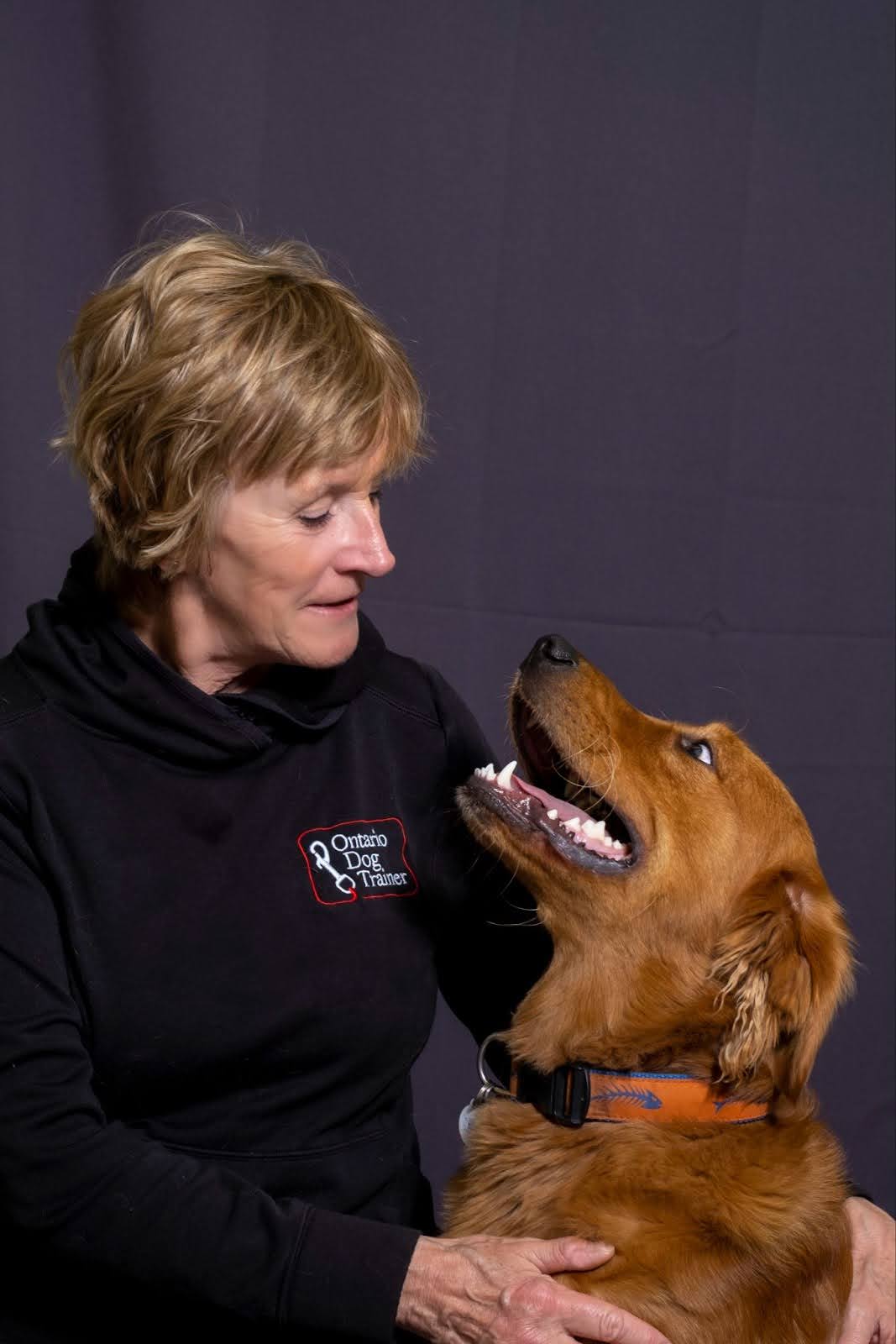 Karen Laws is a certified professional dog trainer, the founder of The Ontario Dog Trainer and the Dog Trainer TRIBE Training Academy. With decades of experience training dogs, educating people, and mentoring aspiring trainers, she is known for her practical, no-nonsense approach to helping both dogs and humans succeed.
Karen’s professional background includes education, public service, wildlife biology, competitive field dog work, and pet dog training. That combination gives her a unique perspective on behaviour, leadership, communication, and what it really takes to create lasting results.
Through her work with dog owners and developing trainers, Karen teaches far more than training exercises. She helps people understand the dog in front of them, improve their communication, and build the kind of confidence that leads to better outcomes in both training and business.
Karen is especially passionate about mentoring pet dog trainers who feel stuck and are ready to grow. Her message is clear, real, and grounded in experience: success in dog training comes from understanding behaviour, building trust, and being willing to do the work.
Follow Karen on Social Media: FaceBook, Instagram, LinkedIn, TikTok, YouTube,
Need personal help? Let’s chat! Click here to book a Virtual assessment!