There is one mistake dog owners make on walks that quietly makes everything worse.
They take their dog’s behaviour personally.
The dog barks at another dog, lunges at a squirrel, stiffens at a person, or erupts over something unexpected, and the owner instantly feels embarrassed, offended, frustrated, or even a little betrayed.
After all the work they have done, after all the effort they have put in, the dog still has the nerve to behave like that in public.
That line of thinking is common. It is also deeply unhelpful.
Your dog’s reaction is not a personal assault on you. It is not a public statement about your worth, your intelligence, or your relationship. It is not your dog waking up in the morning and deciding to make you look bad on purpose.
It is your dog being a dog.
That does not mean the behaviour is acceptable. It does not mean you shrug and let your dog run the show. It means you understand the behaviour clearly enough to respond with leadership instead of emotion.
And that distinction matters more than most owners realize.
Why owners personalize behaviour
When a dog reacts on a walk, it often happens quickly and publicly. People are watching. The owner feels exposed. They may feel judged by strangers, disappointed in themselves, or upset that the walk they hoped would be calm has now turned into a spectacle.
That emotional hit is real.
The problem is that once the owner makes the reaction about them, they stop being useful to the dog.
Instead of thinking, “My dog needs direction right now,” they start thinking, “How dare you do this?” or “Why are you doing this to me?” or “I cannot believe this is happening again.”
Now the dog has two problems instead of one. The original trigger is still there, and the handler has become emotionally scrambled.
That is when timing gets sloppy. The leash gets tight for too long. The body gets tense. The person keeps talking. The dog feels the chaos at both ends of the leash.
Not ideal.
Dogs react because dogs are dogs
Dogs react to movement, pressure, excitement, uncertainty, prey, other dogs, strange people, environmental changes, and all sorts of things that seem random to the human end of the leash.
That is not personal. That is biology, instinct, and experience.
A squirrel does not appear and your dog thinks, “Excellent. Here is my chance to disrespect Karen in broad daylight.”
No. Your dog sees movement and responds like a predator.
Another dog appears across the street and your dog may stare, tighten, or bark. Again, this is not a philosophical statement. It is a reaction.
If owners do not understand that, they will keep attaching the wrong meaning to the behaviour. And once the meaning is wrong, the response usually goes wrong too.
The story you tell yourself matters
Owners often underestimate how much their internal story shapes their handling.
If your story is, “My dog is doing this to me,” your body changes. Your breathing changes. Your face changes. Your leash handling changes. Even your energy changes.
If your story is, “My dog needs me right now,” everything gets more practical.
You stop acting hurt.
You stop acting offended.
You stop turning the moment into a personal drama.
You start leading.
That shift is huge.
It does not make the behaviour disappear in one magical moment, because that would be a lovely fantasy and also nonsense. But it does make you more useful, more organized, and more likely to recover well.
What owners often do that makes things worse
Many owners react to a dog reaction with one of three habits.
First, they scold.
They start talking, correcting, nagging, or delivering a verbal monologue while the dog is already over threshold. The dog is not listening to the speech. The owner is just leaking stress through their mouth.
Second, they stew.
The dog reacts, the moment passes, and the owner carries the emotional residue for the next ten minutes. Their shoulders stay high. Their breathing stays shallow. Their handling stays tense.
Third, they label the dog.
Now the dog is stubborn, rude, dominant, crazy, or spiteful. None of those labels improve the next decision.
All three of these habits pull the owner out of leadership and deeper into emotion.
Dogs live in the moment. Owners need to catch up
One of the most useful things owners can remember is this. Dogs live in the moment.
Once the trigger is gone, the dog is often ready to move on far faster than the human is.
The owner, meanwhile, is replaying the event, apologizing to invisible critics, muttering under their breath, and mentally drafting a resignation letter from dog ownership.
The dog has already moved on.
You need to move on too.
That does not mean you ignore what happened. It means you learn from it without dragging it into the next five minutes of the walk.
This is where your TRIBE framework fits beautifully. Dogs do not carry the incident the way people do. They experience the moment, then move on. Owners need to do the same. And in that moment, the dog still needs the owner to be the leader, not the victim.
Three ways to stop taking it personally and lead better
1. Change the sentence in your head
When your dog reacts, replace “How dare you” with “My dog needs me right now.”
That one sentence changes your whole posture.
2. Get practical fast
Do not argue with the dog emotionally. Move. Reposition. Breathe. Regain structure. Think about what helps, not what offends you.
3. Flush the incident once it is over
The trigger has passed. Your dog is ready to continue. Your job is to resume calm, assertive leadership, not carry the emotional wreckage down the block.
Leadership is not emotional distance
Some people hear “do not take it personally” and think it means becoming cold or detached.
That is not what I mean.
I mean becoming steadier.
You can still care deeply about your dog. You can still feel disappointed when things go sideways. You can still want better. But in the moment, your dog needs leadership more than they need your feelings.
That is not harsh. That is helpful.
Final thought
A dog reacting on a walk is not a personal insult.
It is a leadership moment.
The more quickly you stop making the behaviour about your pride, your embarrassment, or your frustration, the more quickly you can become the calm, useful leader your dog actually needs.
Dogs will be dogs.
Stuff will happen.
Your job is to lead through it, not take offense and make the whole thing worse.
Why this works
When owners stop personalizing behaviour, they recover faster, handle more clearly, and give their dog better direction in the moment. That makes walks calmer and helps both ends of the leash improve.
If you want a calmer, more connected walk, The Great Stroll will help you build the kind of structure and handling that keeps you more organized, even when your dog reacts.
And if you are a trainer, or an aspiring trainer, who wants to get better at coaching owner mindset along with leash mechanics, that is exactly the kind of work we do inside TRIBE.
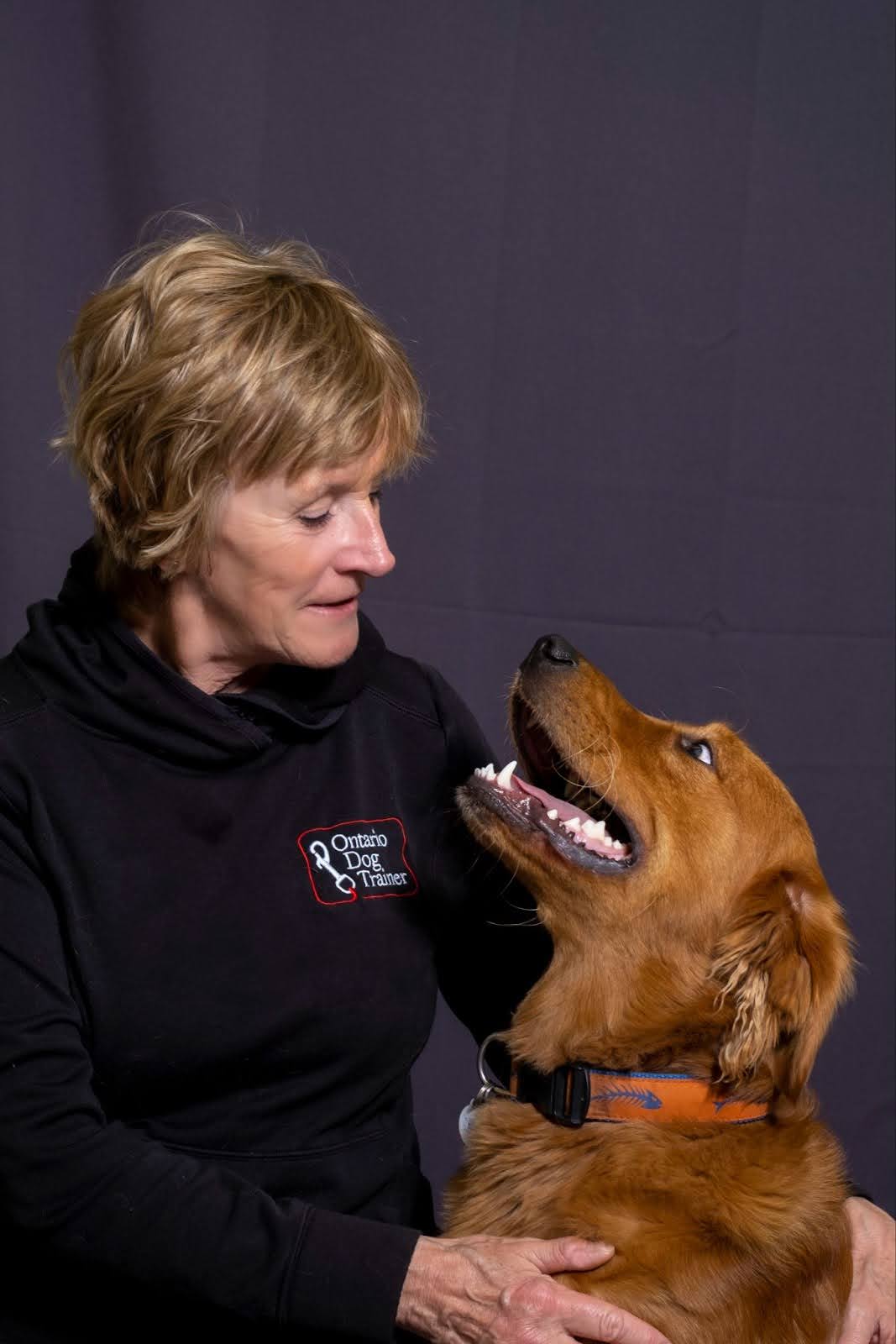 Karen Laws is a certified professional dog trainer, the founder of The Ontario Dog Trainer and the Dog Trainer TRIBE Training Academy. With decades of experience training dogs, educating people, and mentoring aspiring trainers, she is known for her practical, no-nonsense approach to helping both dogs and humans succeed.
Karen’s professional background includes education, public service, wildlife biology, competitive field dog work, and pet dog training. That combination gives her a unique perspective on behaviour, leadership, communication, and what it really takes to create lasting results.
Through her work with dog owners and developing trainers, Karen teaches far more than training exercises. She helps people understand the dog in front of them, improve their communication, and build the kind of confidence that leads to better outcomes in both training and business.
Karen is especially passionate about mentoring pet dog trainers who feel stuck and are ready to grow. Her message is clear, real, and grounded in experience: success in dog training comes from understanding behaviour, building trust, and being willing to do the work.
Follow Karen on Social Media: FaceBook, Instagram, LinkedIn, TikTok, YouTube,
Need personal help? Let’s chat! Click here to book a Virtual assessment!