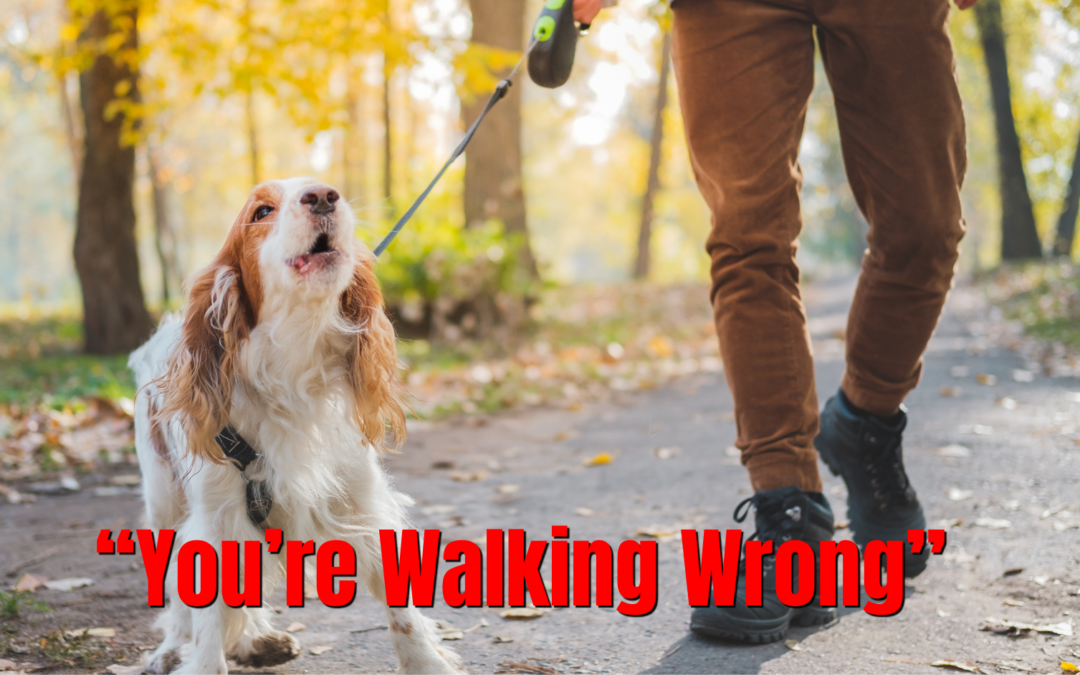
A lot of owners think leash walking falls apart because the dog “forgets” everything outside.
Sometimes that is true.
But often the walk falls apart because the owner does not yet have the reflexes to lead clearly when real life shows up.
They know what they should do in theory. They have heard the advice. They may even agree with it completely. But when another dog appears, a squirrel bolts, or something unexpected changes the picture in two seconds, the theory disappears and old habits take over.
The feet stop.
The hands fly.
The shoulders rise.
The mouth opens.
The dog speeds up.
The whole thing goes sideways.
That is not a character flaw. It is a training gap.
And the human end of the leash needs training too.
Good handling is not just knowledge
This matters because many owners think understanding an idea should be enough.
They read an article.
They watch a video.
They hear what they are supposed to do.
Then they assume they should be able to perform it under pressure.
Not quite.
Knowing what to do and being able to do it in real time are two very different things. One is information. The other is skill.
Skill needs repetition.
That is why so many owners feel frustrated. They think they are failing because they know better but still react badly in the moment. In reality, they just have not built enough useful repetition yet.
Your dog is not the only one learning habits on the walk. You are too.
The goal is not perfection. The goal is responsiveness
Many owners become overly focused on avoiding every mistake.
That sounds reasonable, but it can make them stiff and hesitant.
A better goal is this. Become more responsive and less rattled.
That means noticing faster.
Moving sooner.
Recovering more smoothly.
Returning to structure more calmly.
Real life dog walking is rarely perfect. But it can become far more organized when the owner stops trying to look perfect and starts practicing how to respond well.
Better reflexes come from repetition
Useful handling needs to be practiced until it becomes more automatic.
That includes things like stepping between your dog and a distraction.
Turning and moving off without hesitation.
Shortening the leash calmly instead of frantically.
Sidestepping while facing your dog.
Re establishing movement after a disruption.
Recovering your posture and breathing after something goes wrong.
None of these skills are flashy. That is part of the point. They are basic, practical, and incredibly valuable.
Simple does not mean automatic. Automatic comes from reps.
Owners need reps outside the big moment
One reason owners struggle is that they only try to use these skills in the exact moment they need them.
That is like waiting until the hockey game starts before learning how to skate. A bit ambitious.
It is far better to rehearse when the pressure is low.
Practice changing position while walking, even when there is no distraction.
Practice shortening and softening the leash smoothly.
Practice turning your body and continuing movement.
Practice quiet handling without constant talking.
Practice recovering your own posture after you intentionally stop and restart.
These small reps build confidence because they teach the body what to do before the pressure rises.
Why owner reflexes matter so much
Dogs respond to the person they are walking with, not just to the environment.
If the owner freezes every time something appears, the dog feels it.
If the owner becomes frantic, the dog feels it.
If the owner gets tense and noisy, the dog feels it.
That does not mean the owner needs to be robotic. It means the owner needs to become organized enough that their response helps the dog instead of adding to the confusion.
Owners often want the dog to improve first. In reality, a lot of dogs improve when the owner becomes clearer, steadier, and faster.
A painful truth, perhaps, but still useful.
Three ways to build better walking reflexes
1. Rehearse movement before you need it
Practice stepping, turning, sidestepping, and repositioning during ordinary walks. Do it on purpose so it becomes familiar.
2. Train your recovery, not just your prevention
Yes, it is good to spot distractions early. But also practice what you will do after you miss the moment. Recovery is part of the skill set.
3. Keep your handling quieter
When owners get surprised, many of them start talking too much. More words usually means more stress. Cleaner movement helps more than nervous commentary.
Better handlers build better dogs
I say this often because it is true.
Many leash walking problems improve when the human becomes more skillful.
Not louder.
Not tougher.
Not more emotional.
More skillful.
That means better timing, better positioning, better recovery, and better self control.
In other words, the owner starts becoming someone the dog can actually follow with confidence.
Final thought
If you want a better dog walk, train your reflexes.
Your dog is not the only one showing habits out there. You are too.
The more reps you put into calm movement, clearer positioning, and faster recovery, the more responsive you become. And the more responsive you become, the easier it is for your dog to stay connected with you when life interrupts the walk.
That is when dog walking starts to feel less like a performance and more like a real relationship.
Why this works
Owners who train their own reflexes become more helpful to their dogs in real situations. That leads to better timing, better recovery, and calmer walks overall.
If you want to stop feeling caught off guard on walks, The Great Stroll will help you build better habits, better timing, and a much clearer walking partnership with your dog.
And if you are a trainer who wants to get better at coaching real life handler skill, not just dog behaviour in theory, that is exactly the kind of work we do inside TRIBE.
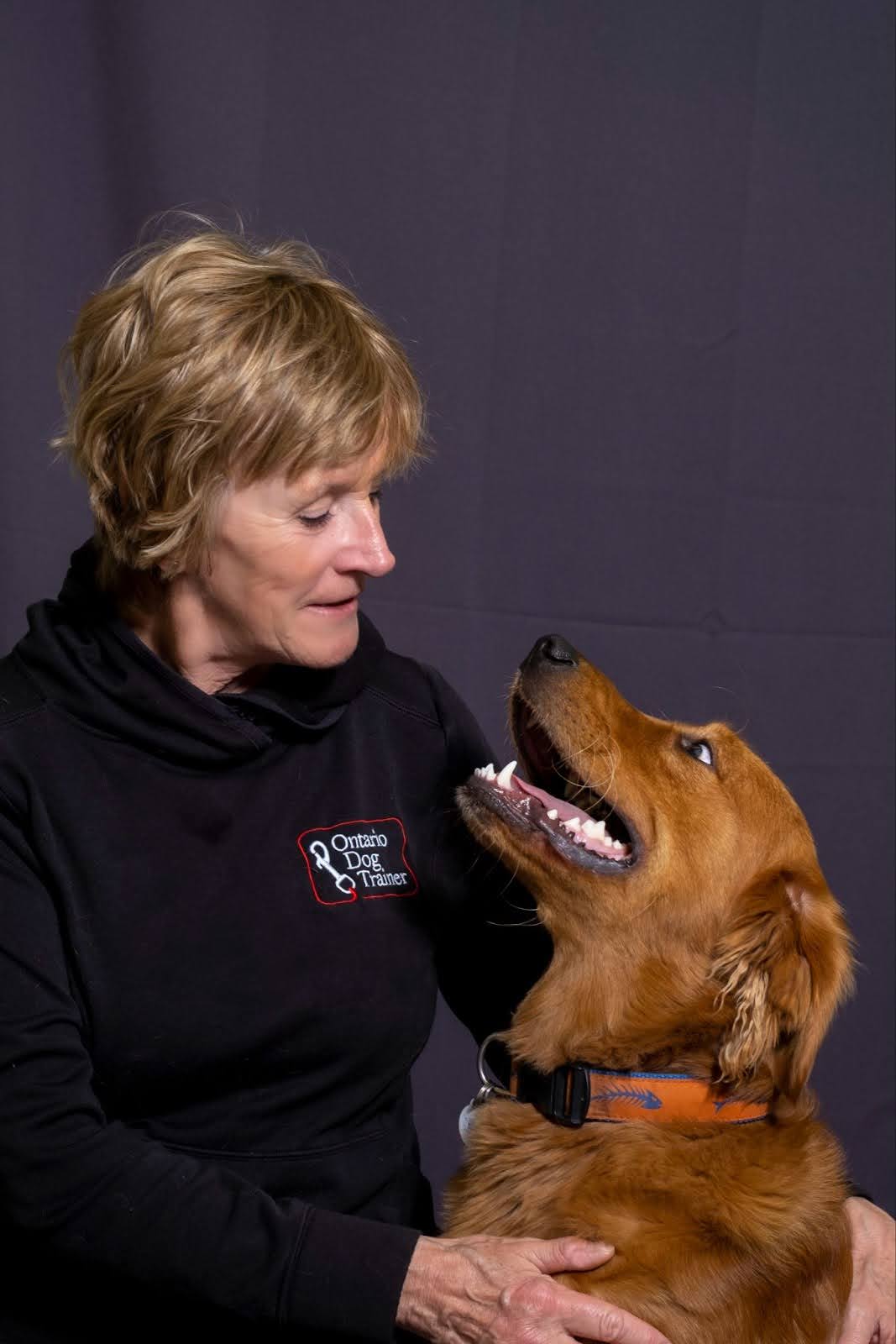 Karen Laws is a certified professional dog trainer, the founder of The Ontario Dog Trainer and the Dog Trainer TRIBE Training Academy. With decades of experience training dogs, educating people, and mentoring aspiring trainers, she is known for her practical, no-nonsense approach to helping both dogs and humans succeed.
Karen’s professional background includes education, public service, wildlife biology, competitive field dog work, and pet dog training. That combination gives her a unique perspective on behaviour, leadership, communication, and what it really takes to create lasting results.
Through her work with dog owners and developing trainers, Karen teaches far more than training exercises. She helps people understand the dog in front of them, improve their communication, and build the kind of confidence that leads to better outcomes in both training and business.
Karen is especially passionate about mentoring pet dog trainers who feel stuck and are ready to grow. Her message is clear, real, and grounded in experience: success in dog training comes from understanding behaviour, building trust, and being willing to do the work.
Follow Karen on Social Media: FaceBook, Instagram, LinkedIn, TikTok, YouTube,
Need personal help? Let’s chat! Click here to book a Virtual assessment!