
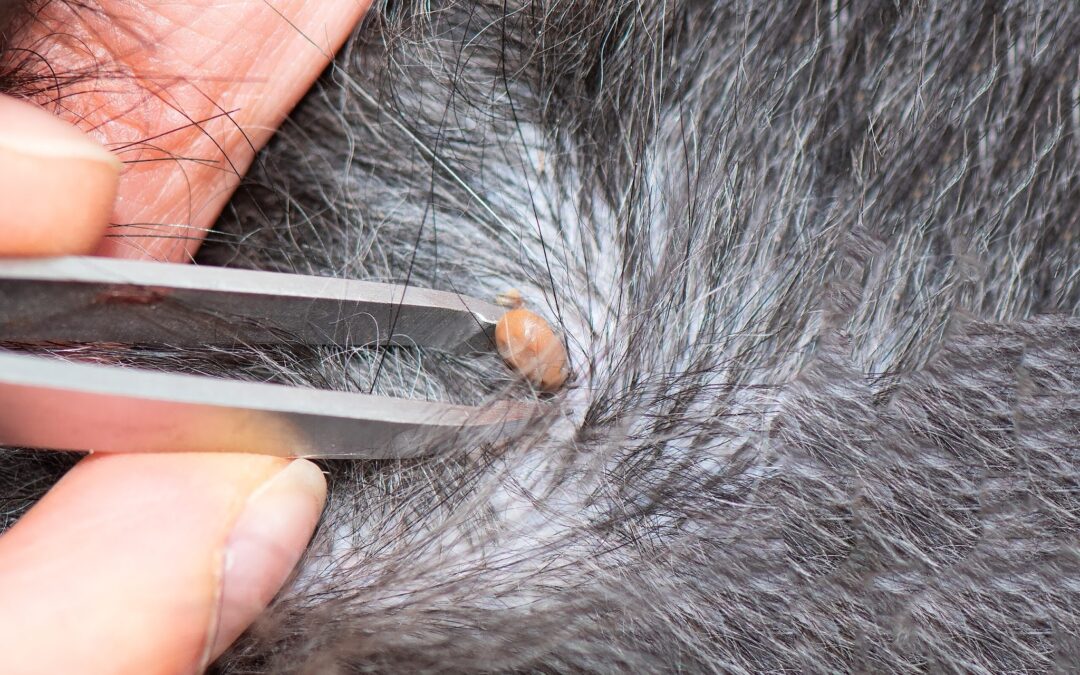
Ticks used to feel like a spring and summer problem.
Not anymore.
In Ontario and many other parts of Canada, ticks are showing up earlier, staying active longer, and in some areas, remaining a concern well outside the old “tick season.” Public Health Ontario tracks blacklegged tick risk areas and vector borne diseases across the province, including Lyme disease, anaplasmosis, babesiosis, Powassan virus, and West Nile virus.
That means dog owners need a plan.
Not panic.
Not denial.
Not “I’ll deal with it when I find one,” which is a bold strategy, but not a great one.
If you find a tick on your dog, here is what to do next, what not to do, and how to think clearly about prevention moving forward.
First, What Are Ticks?
Ticks are not insects. They are arachnids, in the same family as spiders and mites.
Adult ticks have eight legs. They survive by feeding on blood from animals and people. That is charming, in the same way a flat tire on the way to the vet is charming.
The concern is not just the bite. The bigger issue is what ticks can carry.
In Ontario, the blacklegged tick, also called the deer tick, is one of the main ticks dog owners need to understand because it can transmit Lyme disease. Other tick borne diseases can also affect dogs, including anaplasmosis and ehrlichiosis.
Ticks like wooded areas, tall grass, brush, leaf litter, trails, cottage properties, shaded yards, and parks.
In other words, many of the places dogs love.
If You Find a Tick, Skip the Home Remedies
Please do not cover the tick with petroleum jelly, grease, nail polish, alcohol, essential oils, or heat.
These methods do not make tick removal safer. They may irritate the tick and increase the chance of fluids being released at the bite site. The CDC recommends using fine tipped tweezers and avoiding substances such as petroleum jelly, heat, or nail polish.
This is one of those times when “my neighbour said” should not be your medical protocol.
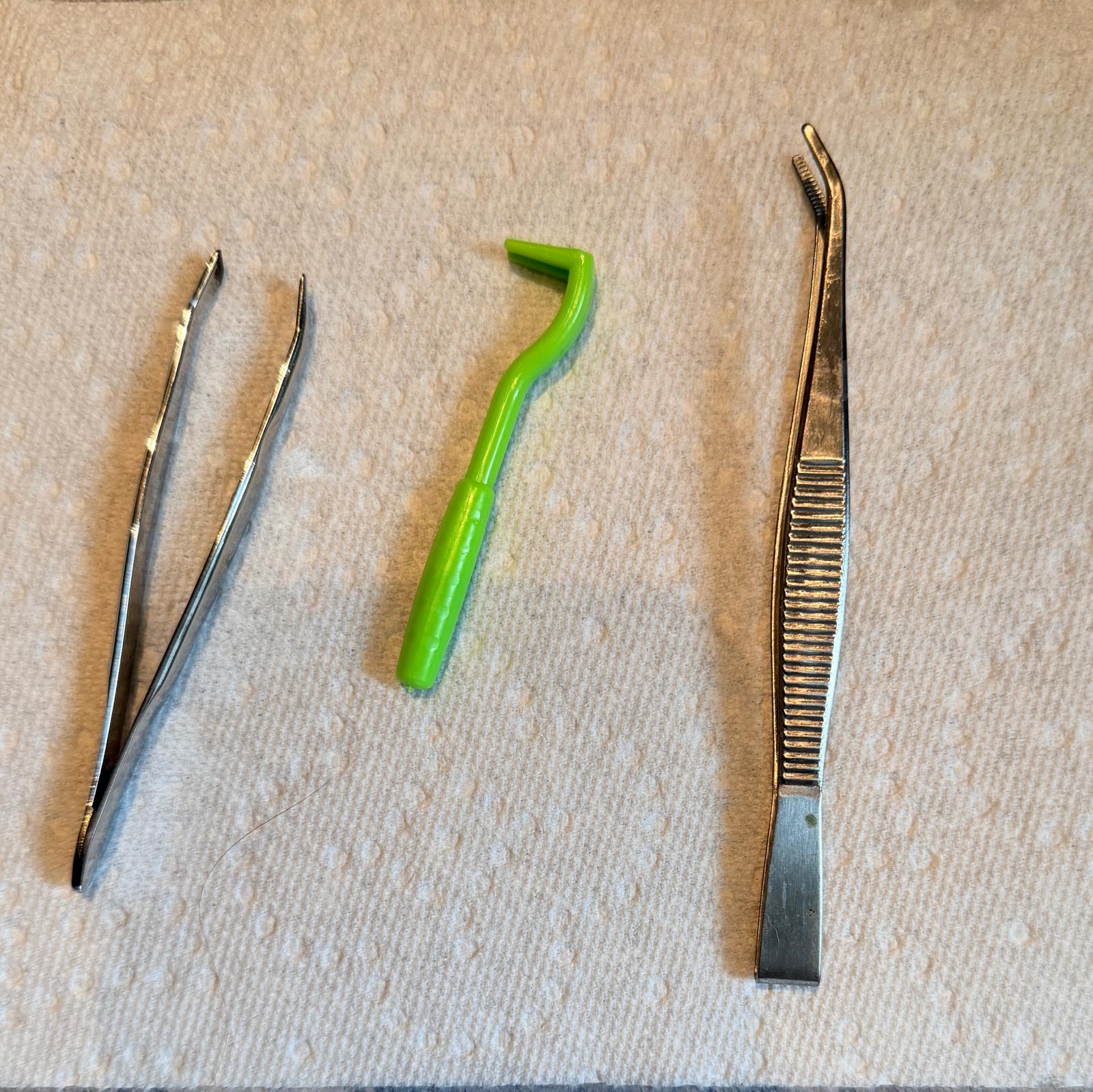
How to Remove a Tick Safely
Here is the simple version.
Wear gloves if you have them.
Use fine tipped tweezers, a tick key, or a tick removal tool.
Grasp the tick as close to your dog’s skin as possible.
Pull straight out with slow, steady pressure.
Do not twist, jerk, squeeze, burn, or coat the tick.
Once the tick is removed, clean the bite area and wash your hands well.
Put the tick in a sealed container or bag if you want your veterinarian to identify it.
Write down the date you found it.
That last step matters because testing too soon may not give you useful information.
Why Testing Matters After a Tick Bite
Removing the tick is step one.
It does not automatically mean your dog is in the clear.
Some dogs show symptoms after a tick bite. Some do not. Some tick borne diseases can take time to show up, and symptoms can be vague.
Watch for:
Lethargy
Fever
Loss of appetite
Lameness or sore joints
Swollen lymph nodes
General “not quite right” behaviour
If your dog seems off after a known tick exposure, call your veterinarian and mention the tick.
Your vet may recommend testing, including a 4Dx SNAP test. The IDEXX SNAP 4Dx Plus test screens for exposure to several vector borne diseases, including Lyme disease, anaplasmosis, ehrlichiosis, and heartworm.
Heartworm is spread by mosquitoes, not ticks, but it is included in the same test because it is another serious vector borne disease that matters in many regions.
Timing is important. Antibody testing after exposure is not always useful immediately, so your veterinarian can advise when testing makes the most sense based on your dog’s risk, symptoms, and local disease patterns.
Now Let’s Talk Prevention
This is where people tend to split into camps.
Some people want natural prevention only.
Some prefer commercial veterinary products.
Some use a layered approach.
Some do nothing and hope for the best.
Doing nothing is still a choice, but it is not a neutral one.
The right prevention plan depends on your dog, your lifestyle, your region, and your comfort level with risk.
Natural Tick Prevention, What It Can and Cannot Do
Natural tick prevention usually includes things like:
Daily tick checks
Keeping the dog out of heavy brush
Maintaining the yard
Using natural sprays
Using essential oil based products
Trying ultrasonic devices
Washing bedding
Checking yourself after hikes and outdoor time
Some of these steps are useful.
Daily tick checks matter. Yard maintenance matters. Staying aware of tick habitat matters. These are practical habits that reduce exposure. CAPC recommends daily tick checks, avoiding tick habitat when possible, and using tick preventives for dogs at risk.
But natural does not automatically mean effective.
And natural does not automatically mean safe.
Some essential oils can irritate dogs or be harmful if used incorrectly. Some homemade sprays may smell impressive and do very little. Some products may help reduce risk, but they may not provide reliable protection in high risk environments.
This is where dog owners need to be honest.
If your dog hikes daily, runs through fields, visits cottage country, rolls in tall grass, or lives in an area with heavy tick activity, you may need stronger protection than a nice smelling spray and good intentions.
Good intentions are lovely.
Ticks remain unimpressed.
Commercial Tick Prevention, What It Does Well
Commercial tick prevention products are designed to kill or repel ticks before they can stay attached long enough to transmit disease.
These may include:
Monthly topical products
Oral chewables
Collars
Longer lasting products prescribed by your veterinarian
Some products kill ticks after they bite. Some repel. Some do both. Your veterinarian can help match the product to your dog’s age, weight, health history, lifestyle, and local disease risk.
This matters because not every product is right for every dog.
A tiny senior dog with medical concerns is not the same as a young Labrador charging through wet grass like it has a full time job in chaos.
Commercial prevention is not about fear. It is about risk management.
For many dogs, especially those in higher risk areas, veterinary recommended prevention is the most reliable option.

What About Tickless and Ultrasonic Devices?
Ultrasonic tick repellents, including products such as Tickless, are marketed as chemical free devices that attach to a collar and emit ultrasonic pulses intended to deter ticks and fleas.
That sounds appealing, especially for owners who want fewer chemicals.
There are manufacturer supported claims and studies promoting these devices, but independent veterinary commentary remains cautious about relying on ultrasonic repellents as primary tick prevention.
So here is my practical take.
If someone wants to use an ultrasonic device as part of a broader prevention plan, that is a personal choice.
But I would not treat it as a guaranteed replacement for daily tick checks, yard management, veterinarian recommended prevention, or testing when needed.
This is especially true for dogs with higher exposure.
A collar device may be one layer.
It should not be the whole plan.
Natural Versus Commercial Prevention Is Not a Moral Contest
This is where the conversation gets messy.
Some people hear “commercial prevention” and think poison.
Some hear “natural prevention” and think wishful thinking.
Both sides can get a little dramatic. Shocking, I know.
The better question is not, “Which side are you on?”
The better question is, “What level of risk does my dog actually face, and what protection makes sense?”
Ask yourself:
Where do I live?
Are ticks common in my area?
Has my dog had ticks before?
Do we walk in woods, fields, parks, trails, or cottage areas?
Do I check my dog daily?
Would I realistically remember to apply natural sprays before every outing?
Would I remember a monthly preventative?
Is my dog healthy enough for commercial products?
Have I spoken to my veterinarian about risks and options?
This is where the real answer lives.
Not in Facebook comment wars.
Not in fear based marketing.
Not in pretending ticks care about your personal philosophy.
My Personal Approach
I use commercial tick prevention for my dogs because I have multiple dogs, they spend a lot of time outdoors, and I know myself well enough to be honest.
I am not going to reliably make, apply, reapply, and track natural remedies on several dogs every time we go outside.
That does not make natural prevention useless.
It means I have chosen the option that gives me the best consistency for my life and my dogs.
For me, consistency matters.
A prevention plan you actually follow is far better than a beautiful theory you forget by Thursday.
Depending on the weather and tick activity, I may not use treatment through the coldest months. But that decision is based on temperature, exposure, and risk, not the date on the calendar.
This is also something to discuss with your veterinarian because tick activity varies by region and season.

Tick Checks Still Matter
Even if you use commercial prevention, check your dog.
No product gives you permission to stop paying attention.
After walks, hikes, cottage time, training fields, or backyard play in risky areas, run your hands over your dog’s body.
Check:
Between the toes
Behind the ears
Under the collar
Around the eyes and muzzle
In the armpits
Under the tail
Along the belly
Around the groin
Ticks can be small. They can hide well. They are not exactly waving a tiny flag saying, “Here I am.”
Daily checks are simple, practical, and worth the effort.
Keep Your Yard Less Tick Friendly
You cannot control every trail, park, or field.
You can control your own property.
Keep grass trimmed.
Clear brush.
Reduce leaf litter.
Create cleaner edges between lawn and wooded areas.
Discourage wildlife from bedding down near the house.
Ticks like cover, moisture, and places to wait for a host. Remove some of those conditions and you reduce the odds.
Not to zero.
But lower is better.
When to Call Your Veterinarian
Call your vet if:
You cannot remove the tick fully
The bite area becomes swollen, red, painful, or irritated
Your dog becomes lethargic
Your dog develops a fever
Your dog stops eating
Your dog becomes lame or sore
Your dog seems unwell after a tick bite
You are unsure what type of tick you found
You need help choosing prevention
Your veterinarian is your best source for medical advice because they know your dog and your local disease risk.
Google can give you information.
Your vet can give you context.
There is a difference.
The Bottom Line
Tick prevention is not about choosing the trendiest option.
It is about choosing on purpose.
Natural prevention can be part of a good plan, especially when it includes daily checks, yard maintenance, and smart outdoor habits.
Commercial prevention may offer more reliable protection for dogs with higher exposure.
Some owners may choose a layered approach.
The key is to be honest about your dog’s risk and your own consistency.
Ticks are not going away.
So the best plan is the one that protects your dog, fits your life, and is based on facts instead of fear.
And yes, check your dog when you get home.
Because finding a tick early is much better than finding one three days later, fully attached and looking far too comfortable for something that was never invited.
Want Help Choosing Your Tick Prevention Plan?
If you are still weighing natural versus commercial tick prevention, I created a practical guide to help you think it through without guessing, panicking, or falling into the internet opinion swamp.
The Tick Prevention for Dogs Guide walks you through your dog’s risk level, the difference between prevention options, what to watch for, and how to make a plan that fits your dog, your lifestyle, and your comfort level.
Get the guide here:
https://stan.store/KarenLaws/p/tick-prevention-for-dogs
Because tick prevention is not about doing what everyone else says.
It is about making an informed choice before the ticks make the point for you.
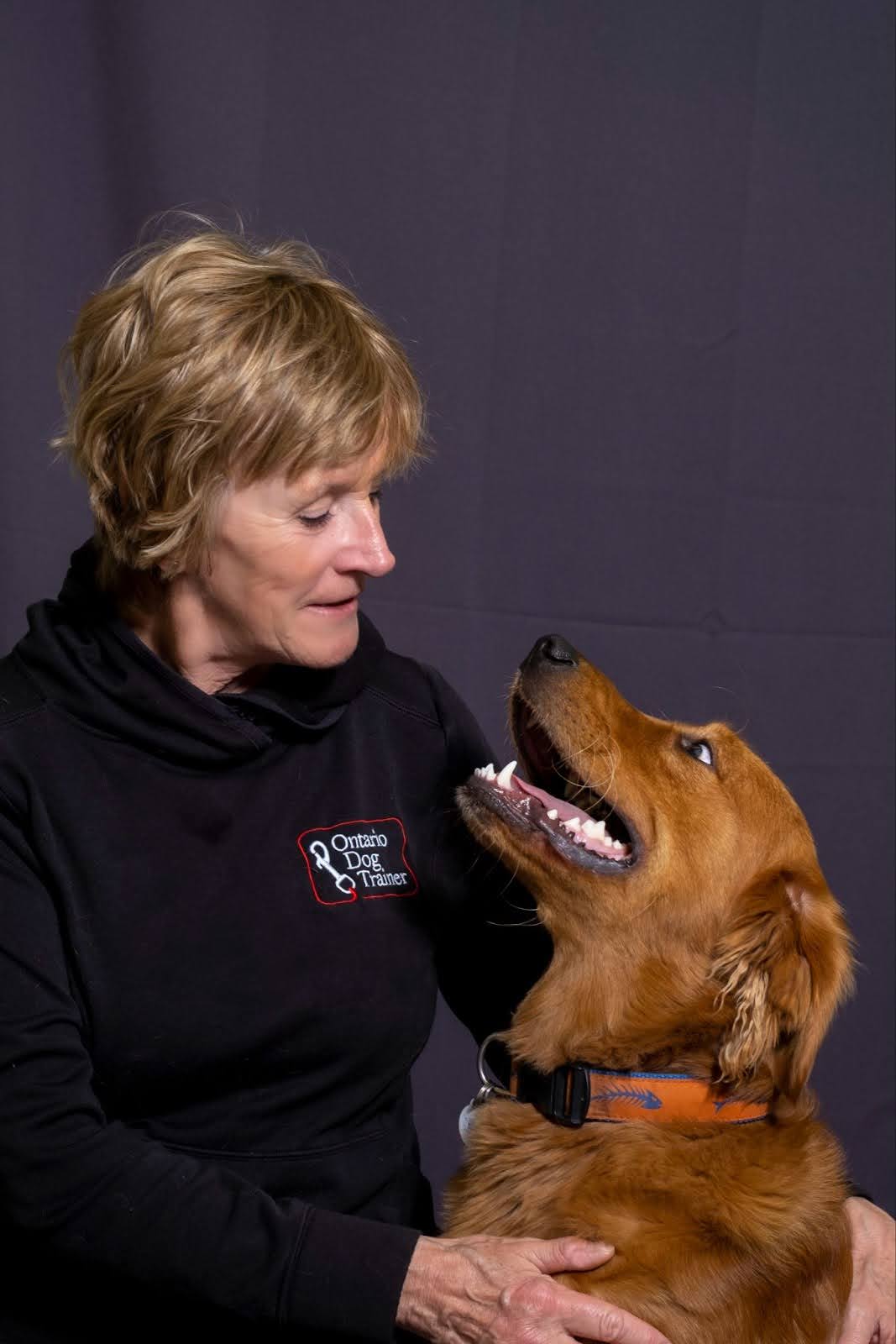 Karen Laws is a certified professional dog trainer, the founder of The Ontario Dog Trainer and the Dog Trainer TRIBE Training Academy. With decades of experience training dogs, educating people, and mentoring aspiring trainers, she is known for her practical, no-nonsense approach to helping both dogs and humans succeed.
Karen’s professional background includes education, public service, wildlife biology, competitive field dog work, and pet dog training. That combination gives her a unique perspective on behaviour, leadership, communication, and what it really takes to create lasting results.
Through her work with dog owners and developing trainers, Karen teaches far more than training exercises. She helps people understand the dog in front of them, improve their communication, and build the kind of confidence that leads to better outcomes in both training and business.
Karen is especially passionate about mentoring pet dog trainers who feel stuck and are ready to grow. Her message is clear, real, and grounded in experience: success in dog training comes from understanding behaviour, building trust, and being willing to do the work.
Follow Karen on Social Media: FaceBook, Instagram, LinkedIn, TikTok, YouTube,
Need personal help? Let’s chat! Click here to book a Virtual assessment!