

Ticks are tiny, sneaky, and surprisingly misunderstood. Most dog owners know ticks are something to watch out for, but there is still a lot of bad advice passed around about where ticks come from, how to remove them, and what to do after finding one.
The problem with tick myths is that they can lead people to delay safe removal or use methods that may harm their dog. When you find a tick, the goal is simple: remove it promptly, remove it properly, and monitor your dog afterward.
Here are five common tick myths every dog owner should know.
Myth 1: Ticks Drop From Trees
This is probably one of the most common tick myths.
Many people imagine ticks sitting high in trees and dropping down onto dogs or people as they pass underneath. Thankfully, that is not how ticks behave.
Ticks don’t fly, jump, or drop from trees. They usually live close to the ground and climb onto grass, leaves, or low vegetation. From there, they wait for a host to brush past. This behaviour is called questing.
That means your dog is more likely to pick up a tick while walking through long grass, woodland edges, overgrown paths, parks, gardens, and leafy areas.
What dog owners should do instead
After walks in the city, wooded areas or grassy fields, check your dog carefully, especially around the ears, neck, shoulders, belly, legs, paws, and tail area. These are common hiding places where ticks can attach and go unnoticed.
Keeping grass short in your yard and garden and avoiding dense vegetation where possible can also help reduce exposure.
Myth 2: Putting Oil or Vaseline on a Tick Will Kill It
Another common myth is that you should cover a tick with oil, petroleum jelly, butter, nail polish, or another substance to suffocate it.
The idea is that the tick will either die or let go on its own.
This is not the safest approach.
Smothering a tick can delay removal, make the tick slippery and harder to grip, and may increase stress as the tick vomits fluid into the bite area. When a tick is attached, don’t wait for it to detach on its own. You want to remove it carefully and promptly.
What dog owners should do instead
Use fine-tipped tweezers or a tick-removal tool. Part the fur, grip the tick as close to your dog’s skin as possible, and pull upward with steady, even pressure.
Do not twist or squeeze the swollen body of the tick. Try to hold it near the mouthparts where it’s attached.
Myth 3: A Hot Match Will Make the Tick Back Out
Some people have been told to touch the tick near the mouth with a hot match tip to make it release.
This is unsafe.
Using heat near your dog’s skin can cause burns, pain, and stress, and the tick may accelerate the vomiting of fluids into your dog, increasing the risk of disease. Your dog may move suddenly, which can make the situation worse. It also delays proper removal.
The safest tick-removal method does not involve fire, heat, or chemicals.
What dog owners should do instead
Keep your dog calm and still. Use tweezers or a tick tool and remove the tick slowly and steadily.
If your dog is anxious or wriggly, ask another person to help gently hold or distract them with treats while you remove the tick.
Myth 4: A Tick Bite Means Lyme Disease Is Imminent
Finding a tick on your dog can feel scary, especially because Lyme disease is often mentioned whenever ticks come up.
But a tick bite doesn’t automatically mean your dog will get Lyme disease.
Not all ticks carry Lyme disease. Risk can depend on where you live, the tick species, whether the tick was infected, and how long it was attached. In my home province of Ontario, only about 20% of ticks carry Lyme Disease (Dr. Anna Banerji, a pediatric infectious disease and tropical disease specialist at the University of Toronto). That said, tick bites should still be taken seriously.
The best response is not to panic. Instead, promptly and carefully remove the tick, record the date, and monitor your dog for two to four weeks for any unusual changes. Contact your veterinarian immediately if you notice anything unusual.
What dog owners should watch for
After removing a tick, keep an eye on your dog for changes such as tiredness, loss of appetite, limping, stiffness, fever, swollen joints, or behaviour changes.
You should also watch the bite area for redness, swelling, irritation, or signs that it is getting worse.
Contact your vet if your dog seems unwell, if you are unsure whether the tick was fully removed, or if you live in an area where tick-borne disease is common.
Myth 5: Ticks Are Easy to Dispose of Once Removed
Once the tick is out, many people assume the job is done.
Not quite.
Ticks can be tougher than they look. You shouldn’t crush a tick with your fingers, because this can expose you to fluids from the tick. Simply dropping it in the bin may also allow it to crawl away.
Safe disposal matters.
What dog owners should do instead
After removal, place the tick in a sealed bag or container. You can also wrap it tightly in tape, place it in alcohol, or flush it.
Before disposing of it, consider taking a clear photo. This may help your vet identify the tick later if your dog develops symptoms.
It’s also a good idea to write down the date you found the tick and where it was attached to your dog.
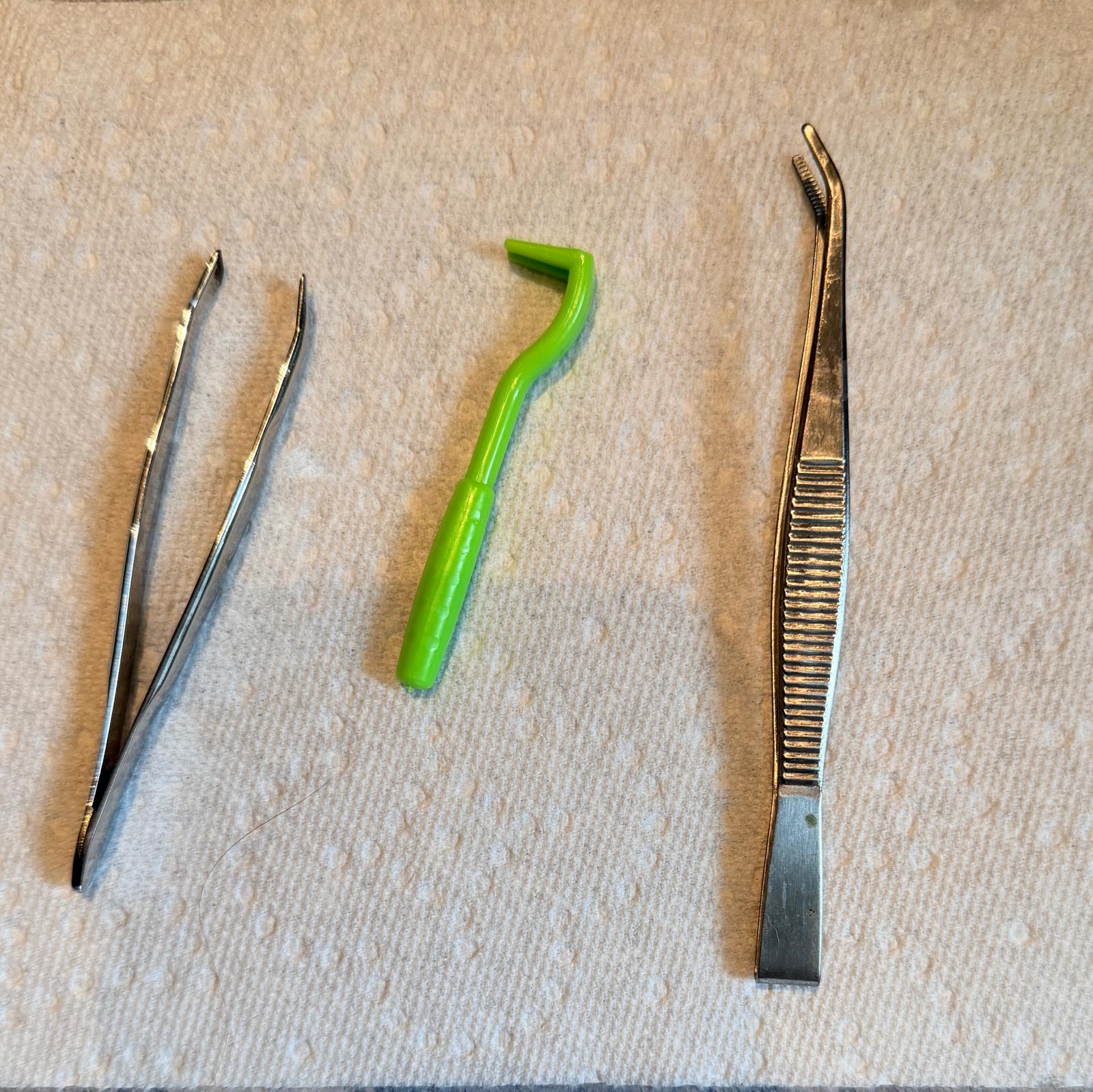
The Safe Way to Remove a Tick
Here is a simple tick-removal process to follow:
- Stay calm and keep your dog still.
- Part the fur so you can clearly see the tick.
- Use fine-tipped tweezers or a proper tick-removal tool.
- Grip the tick as close to the skin as possible.
- Pull upward with steady, even pressure.
- Do not twist, jerk, crush, burn, or smother the tick.
- Clean the bite area and wash your hands.
- Dispose of the tick safely or save it for identification.
- Monitor your dog after the bite.
This method is simple and is much safer than relying on old home remedies.
Quick Tick Check Areas
After walks, check your dog carefully in these spots:
- Around the ears
- Under the collar
- Neck and shoulders
- Armpits
- Belly
- Groin area
- Legs
- Between the toes
- Around the tail
Ticks can be very small, especially before feeding, so take your time.
Final Thoughts
Tick myths are common, but they can lead to unsafe choices.
Ticks don’t drop from trees. Oil and Vaseline are not the best options for removing them. Hot matches should never be used. A tick bite does not automatically mean Lyme disease is coming. And once removed, ticks still need to be disposed of carefully.
The best approach is calm, practical, and quick: check your dog after walks, remove ticks properly, clean the area, dispose of the tick safely, and monitor your dog afterward.
When in doubt, contact your veterinarian for advice.
Tick myth busted: safe removal beats old home remedies every time.
 Karen Laws is a certified professional dog trainer, the founder of The Ontario Dog Trainer and the Dog Trainer TRIBE Training Academy. With decades of experience training dogs, educating people, and mentoring aspiring trainers, she is known for her practical, no-nonsense approach to helping both dogs and humans succeed.
Karen’s professional background includes education, public service, wildlife biology, competitive field dog work, and pet dog training. That combination gives her a unique perspective on behaviour, leadership, communication, and what it really takes to create lasting results.
Through her work with dog owners and developing trainers, Karen teaches far more than training exercises. She helps people understand the dog in front of them, improve their communication, and build the kind of confidence that leads to better outcomes in both training and business.
Karen is especially passionate about mentoring pet dog trainers who feel stuck and are ready to grow. Her message is clear, real, and grounded in experience: success in dog training comes from understanding behaviour, building trust, and being willing to do the work.
Follow Karen on Social Media: FaceBook, Instagram, LinkedIn, TikTok, YouTube,
Need personal help? Let’s chat! Click here to book a Virtual assessment!