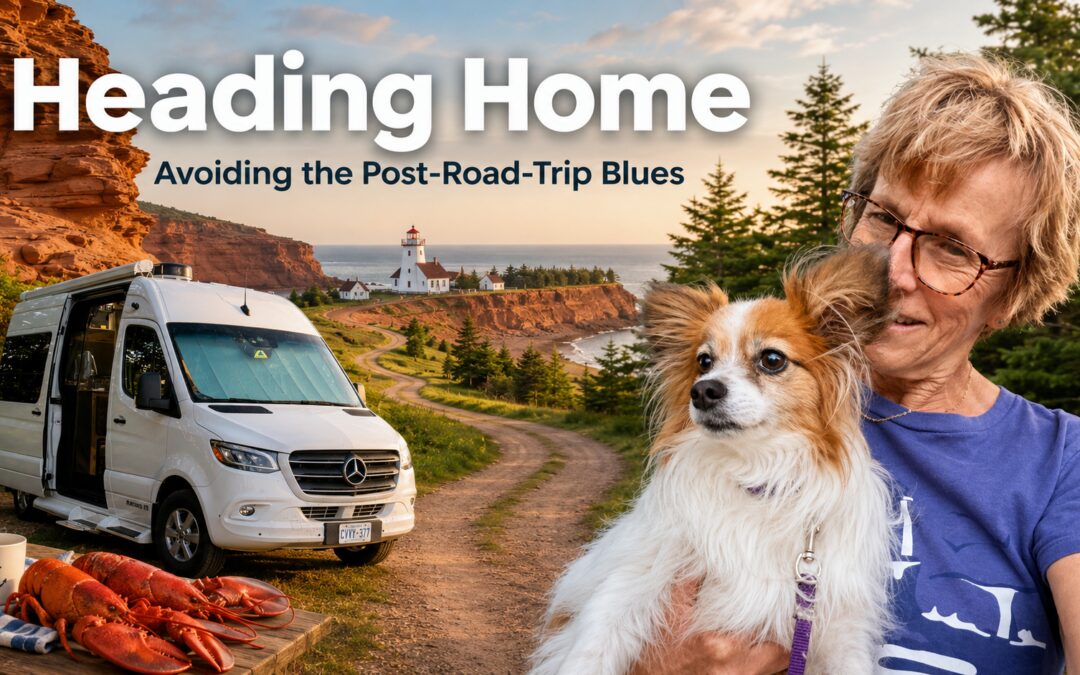
There’s a particular feeling that settles in when an RV trip starts coming to an end.
It’s not quite sadness, and it’s not quite relief.
It’s more like looking around your little rolling home, seeing the dog bed slightly askew, the leash hanging by the door, the shoes you have tripped over for the past several days or weeks, and realizing the adventure is shifting into the rear-view mirror.
Heading home after an RV trip of any duration is a strange mix of gratitude, exhaustion, laundry, and a mild concern that your regular house may no longer feel as exciting as a campsite with questionable Wi-Fi and a picnic table.
This four-week trip to Eastern Canada with Pippy had a bit of everything.
New places. Familiar faces. Campsites. Ferry rides. Friends. Lobster. Beautiful views. Tight spaces. A few “who designed this?” parking moments. And, of course, the ongoing mystery of where certain items disappear to inside an RV.
RV cupboards are not storage spaces. They’re portals.
The Trip Becomes More Than the Route
When people ask about an RV trip, they often want the practical details.
Where did you stay?
How was the campground?
Was the drive manageable?
Would you go back?
Those are fair questions. Practical questions. The kind of questions that make sense when you’re planning a trip and trying not to accidentally book yourself into a place where the campsite is technically a campsite, but only if your RV can fold in half (Yes! – Campsites like that DO exist – ask me how I know!?).
But the real story of an RV trip is usually not just the route.
It’s the collection of moments that happen between stops and the quiet mornings when the campground is just waking up.
It’s the sound and aroma of coffee being made and bacon being cooked, while the dog stretches like she personally invented rest.
It’s pulling into a place you’ve never been before and wondering whether you will love it, tolerate it, or quietly, or not so quietly, promise never to return.
It’s reconnecting with people you haven’t seen in far too long and, with joy, realizing that some friendships pick up exactly where they left off.
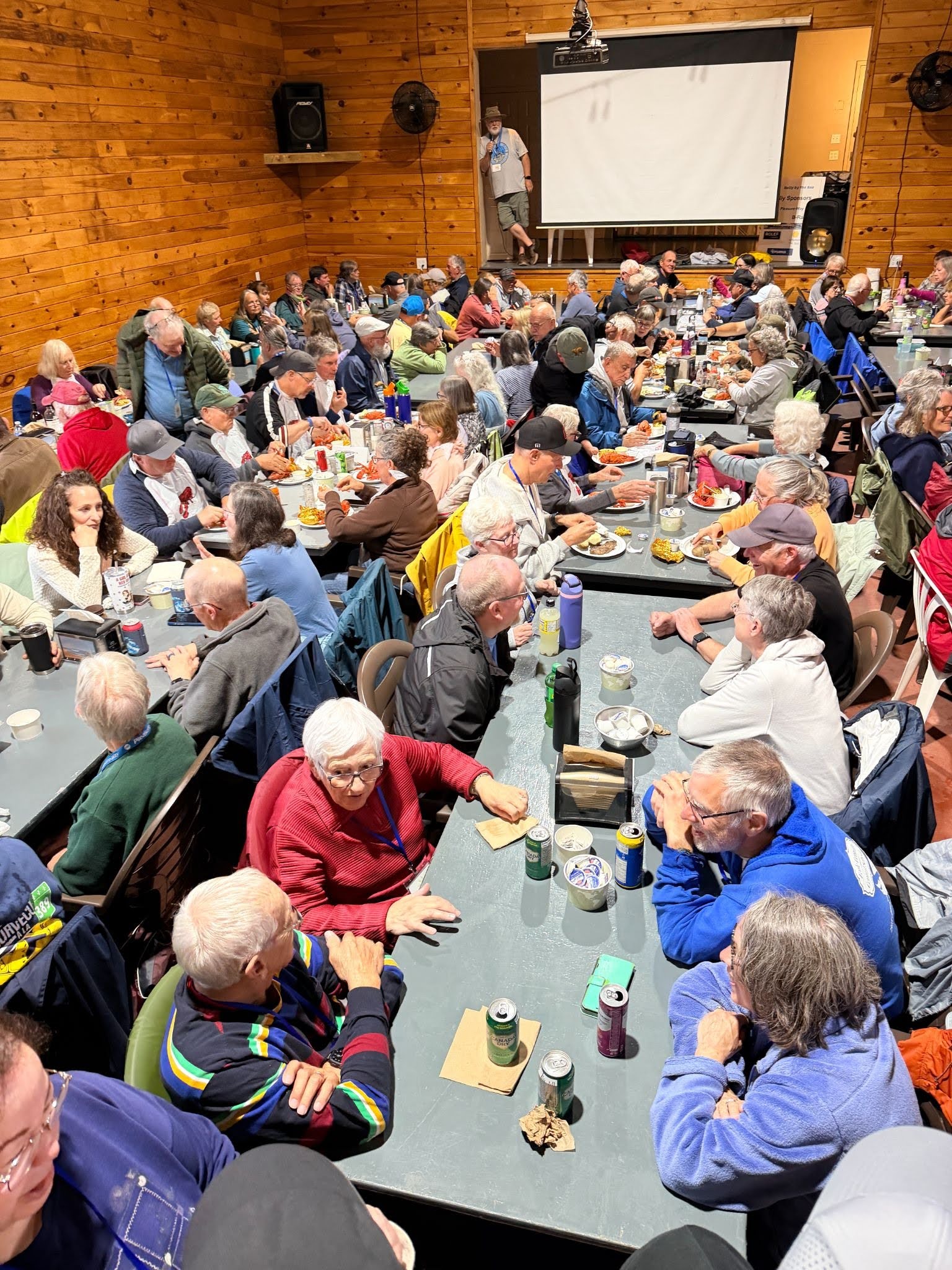
It’s sitting down with friends, eating lobster, laughing, and remembering that travel is about more than scenery. Sometimes it’s about who is sitting across from you, cracking shells and telling stories.
Travelling With a Dog Changes Everything
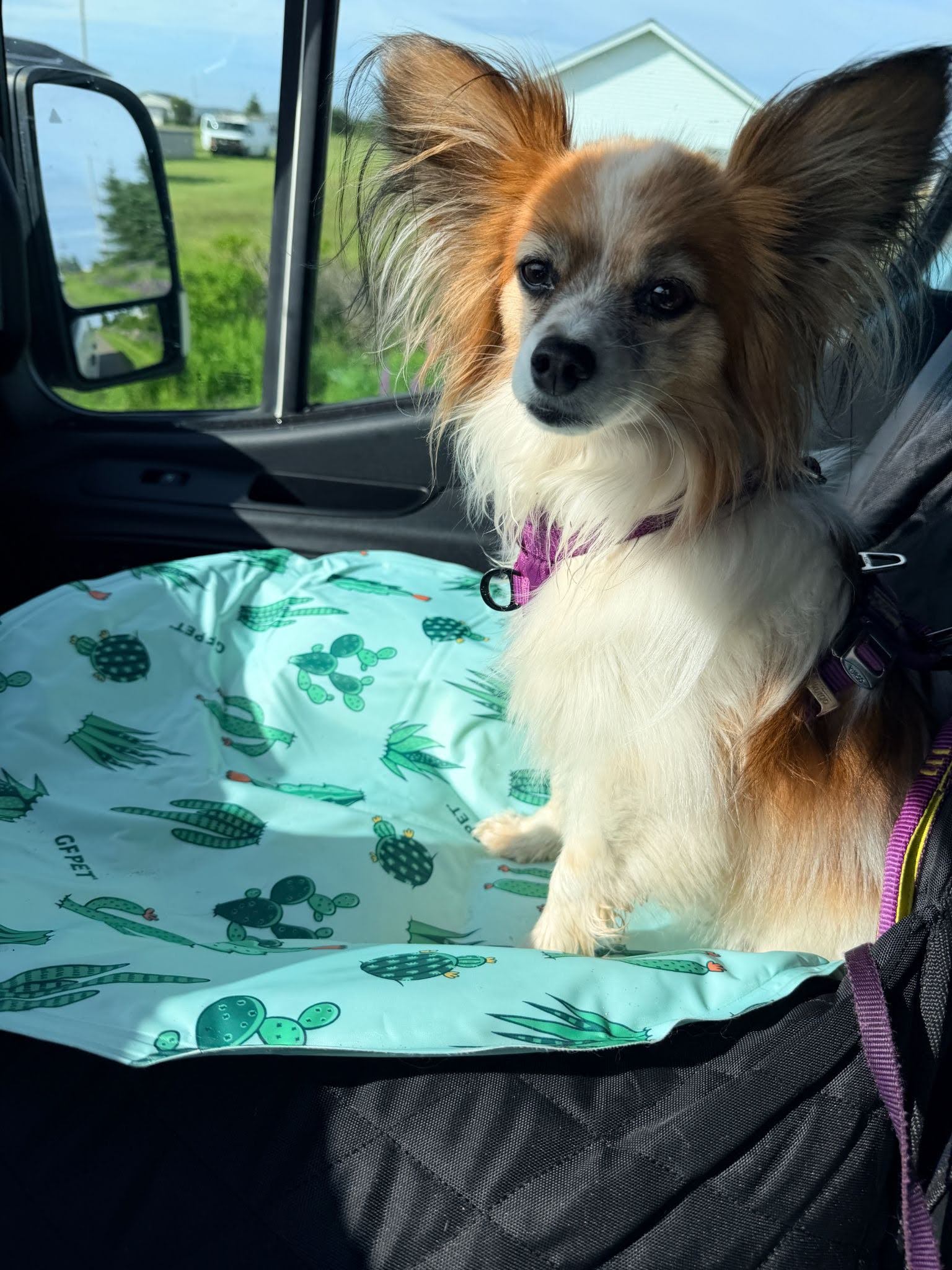
Travelling with Pippy added another layer to the trip.
Dogs change the rhythm of travel. That’s the truth, not a complaint.
You can’t simply arrive somewhere and launch yourself into whatever you want to do. First, you check the dog.
Has she settled?
Does she need a walk?
Is the campsite safe?
Where is the shade?
Where are the off-limits areas?
Is there another dog nearby who thinks barking is a community service?
When you travel with a dog, you pay attention differently. You see your dog differently, and may discover traits you never knew they had!
You notice the length and location of walking trails, campsite spacing, shade and slope, noise type and levels, loose dogs, and whether a campground feels manageable or chaotic. You quickly learn which places are dog-friendly in a meaningful way and which simply allow dogs because the brochure said they had to pick a lane.
Pippy handled the trip well, and that didn’t happen by accident.
Good travel dogs aren’t magically created by tossing them into new environments and hoping for the best. They are built before you travel – through preparation, consistent application of predictable routines, clear boundaries, undisturbed rest, and clear expectations.
Yes, adventures are fun.
But dogs still need structure.
Actually, many dogs need structure even more when everything around them is new.
An RV trip can be exciting, but it can also be overstimulating. Everything feels new! New smells, new sounds, changing neighbours, strange campsites, people walking past, dogs barking, campfires, golf carts, kids on bikes, and the occasional squirrel acting like it owns the deed to the property.
For a dog of any age, that’s a lot.
Having a predictable routine helps. Walks. Rest. Meals. Crate or bed time. Calm exits from your RV. Clear communications with proper leash handling
Need help with that? Sign up for the Great Stroll.
Not allowing every stranger, dog, or passing leaf to become a full emotional event.
The goal is to help your dog feel secure enough to enjoy the trip with you, and not to micromanage every second.
That’s where the real freedom for both of you comes from.
The Little Things Become the Big Memories
Some of the best moments from this trip weren’t dramatic.
They were simple:
- A good campsite.
- A clean, functional comfort station at the campground. One didn’t always ensure the other.
- A trail that led somewhere interesting, and back to safety again within a reasonable or at least a known distance.
- A peaceful evening.
- A dog settled quietly after a full day.
- A ferry ride that added a little something special to the trip.
- A familiar face.
- A new place that felt worth the drive.
- A meal with friends.
- A moment where everything just worked.
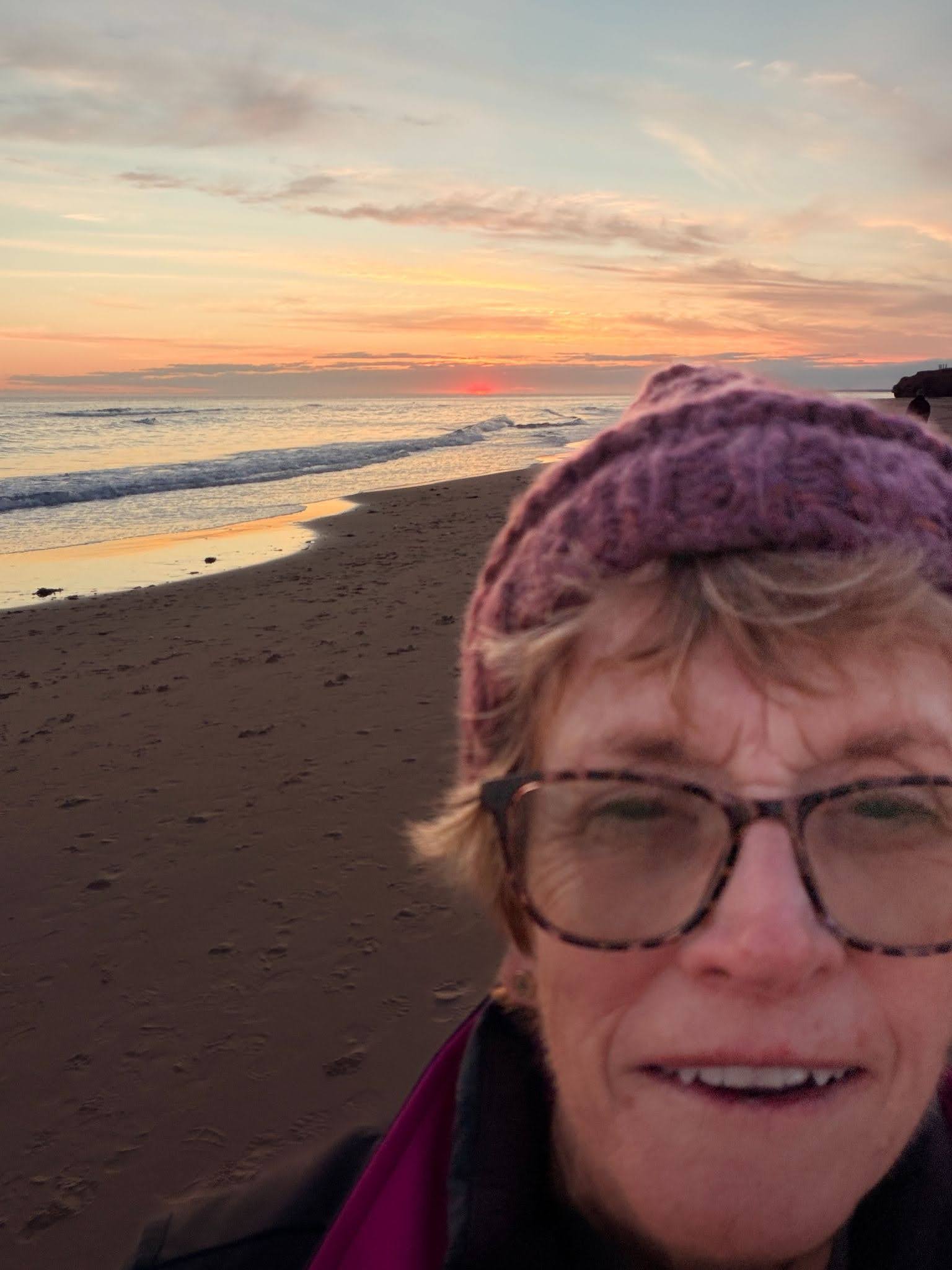
Elements of a good campsite – Ocean Proximity
Of course, there were also the standard RV travel realities.
Things moved in the coach while it was being driven, even though they were ‘packed’ securely.
Things were packed “somewhere safe,” which is RV code for “gone forever.”
There were moments of wondering why something fit perfectly when packed at home but apparently expanded during travel.
There were campgrounds that were beautiful but tight.
There were travel days that required patience, perseverance and an entirely different timeline (read: ‘slower’) than the frantic daily work schedule at home.
There were reminders that travelling in an RV is wonderful, but it is still travel. It comes with fuel stops, traffic congestion, road construction, weather, hookups, dumping tanks, checklists, and moments where you briefly question your life choices before remembering that your house on wheels also contains snacks.
Snacks are important for morale.
Coming Home Can Feel Odd
The end of a good trip can feel surprisingly flat.
You spend days or weeks planning, packing, travelling, filming, visiting, walking, exploring, managing the dog, finding your way around new places, and living in a state of movement and navigating the challenges of uncertainty.
Then suddenly, you’re home.
The RV needs cleaning.
The laundry is waiting.
The dog is tired, or maybe the opposite of tired.
The fridge has to be emptied and defrosted.
The photos need sorting.
The regular routine is standing there with its arms crossed.
While part of you is glad to be home, another part of you is already looking at the calendar.
That’s the post-road-trip blues.
It’s the emotional drop after being fully engaged in the experience. You’re no longer anticipating the next campground, the next stop, the next view, or the next story – at least not in the short-term ;). You’re back to normal life, which is lovely in its own way, but it doesn’t always come with a ferry ride and lobster.
Rude, really.
How to Avoid the Post-Road-Trip Blues
The best way to avoid the post-trip dip is not to pretend it doesn’t happen.
It does.
The better strategy is to bring the trip home with you in a useful way.
Give yourself time to unpack physically and mentally. Don’t rush straight from “epic road trip” into “why is there sand in everything and where did this extra leash come from?” Or worse, running back to work and stress-filled days.
Sort your photos slowly. Write down the places you loved. Make notes on the campgrounds you would visit again and the ones you would recommend only to someone who had deeply offended you.
Think about what worked well for your dog.
Did your dog settle better after a morning walk?
Did a crate, pen, mat, or bed help create calm?
Were there certain environments that were too much for your dog and for you, too?
Did you find yourself wishing you had trained a skill before the trip (like refreshing your second-language skills)?
These notes matter.
They make the next trip easier.
For Pippy, each trip is another layer of experience. Every campground, travel day, ferry ride, walk, and quiet evening becomes part of her education. Not in a formal, rote-and-repeat “training session” way, but in the real-life way that matters most.
Travel shows you what your dog understands and how they cope with change.
It also shows you what still needs work.
Convenient? Not always.
Helpful? Absolutely.
Start Planning Your Next Adventure
One of the best ways to soften the end of a trip is to begin thinking about the next one.
That doesn’t mean you need to have everything booked immediately.
It simply means keeping the adventure alive.
Where would you go again?
What would you do differently?
What did you wish you had packed?
What did you pack and never use?
What did your dog handle beautifully?
What needs a little training before the next trip?
The end of one RV trip is not really the end.
It’s information, feedback and experience for the next one.
It’s a reminder that travelling with a dog is completely worth it when you take the time to prepare, observe, adjust, and keep a sense of humour.
Because things will go sideways.
Something will be forgotten.
Something will be misplaced.
A campsite will be tighter than expected or desired.
A dog, either yours or your neighbour’s, will bark at the worst possible moment.
A storage compartment will swallow an item whole and return it days later as if nothing happened.
That’s RV life.
And honestly, that’s part of the charm.
Home Is Part of the Trip Too
Heading home doesn’t need to be the boring or sad part.
It’s the closing chapter for that edition.
It’s where you get to look back and realize what the trip gave you.
Time outside.
Time with your dog.
Time with friends.
New places.
Good stories and good food.
A few lessons, a few laughs, and maybe even a few tears.
And the kind of memories that don’t require everything to go perfectly.
Actually, the imperfect parts often make the best stories, and there will be many imperfections or bloopers on every trip. It’s a great way to test your resilience, your stamina and the ability to accept that the ‘perfectionist’ part of your personality might have to take a brief hiatus.
This trip with Pippy was full of those moments. Some planned. Some unexpected. Some peaceful. Some ridiculous. Some frustrating. All part of the experience.
Now we’re heading home with a tired dog, a full heart, probably more laundry than seems reasonable, and a long list of things I am glad we did and a growing list of things yet to do.
The post-road-trip blues may show up for a bit.
That’s fine.
It just means the trip mattered.
And the best cure?
Start dreaming about where the road takes us next…We’re on it! Stay tuned.
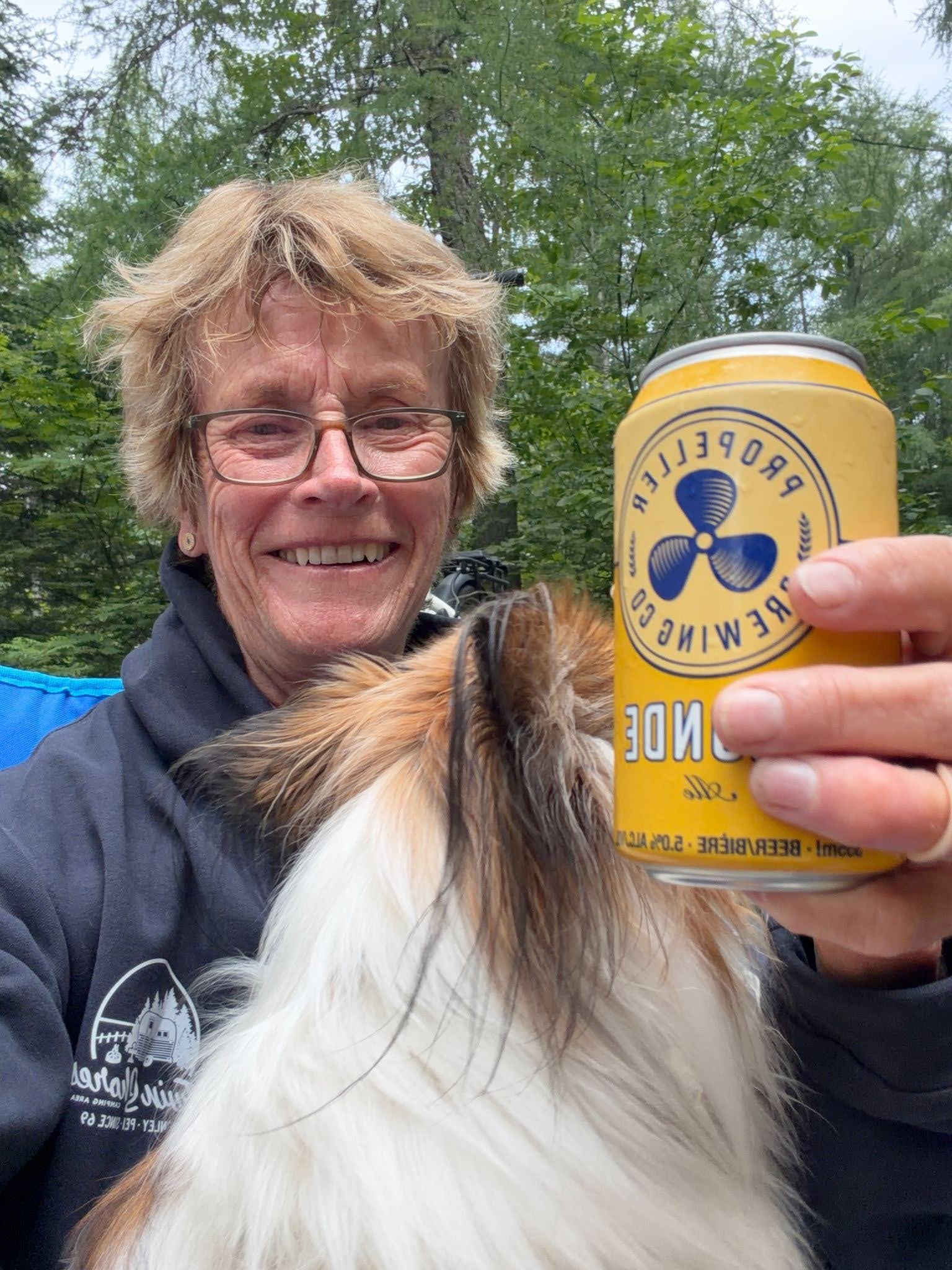
Here’s to Another Solo Trip in the Books!
Before you head home, make the final stretch easier. Download your RV Trip Checklist Here
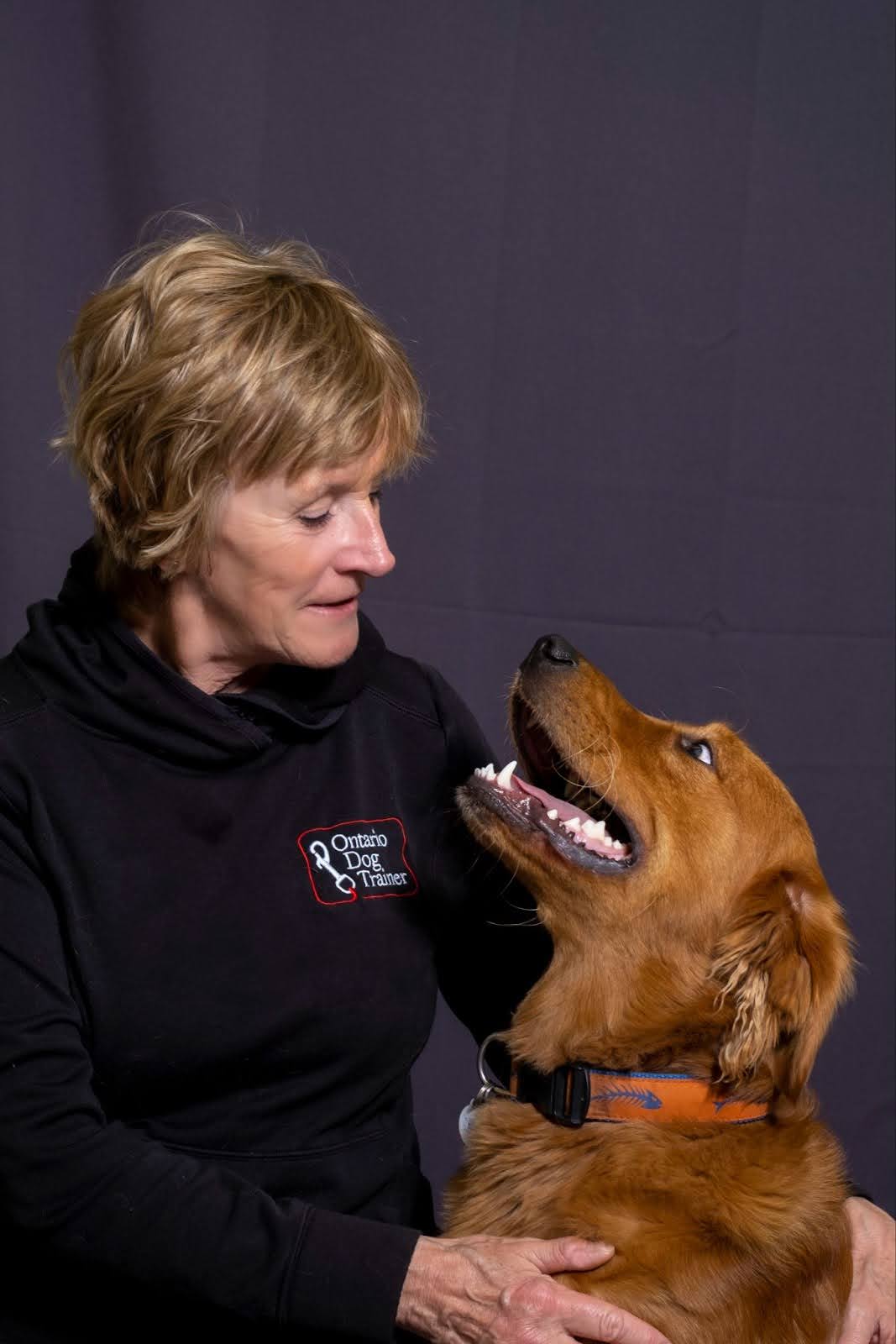 Karen Laws is a certified professional dog trainer, the founder of The Ontario Dog Trainer and the Dog Trainer TRIBE Training Academy. With decades of experience training dogs, educating people, and mentoring aspiring trainers, she is known for her practical, no-nonsense approach to helping both dogs and humans succeed.
Karen’s professional background includes education, public service, wildlife biology, competitive field dog work, and pet dog training. That combination gives her a unique perspective on behaviour, leadership, communication, and what it really takes to create lasting results.
Through her work with dog owners and developing trainers, Karen teaches far more than training exercises. She helps people understand the dog in front of them, improve their communication, and build the kind of confidence that leads to better outcomes in both training and business.
Karen is especially passionate about mentoring pet dog trainers who feel stuck and are ready to grow. Her message is clear, real, and grounded in experience: success in dog training comes from understanding behaviour, building trust, and being willing to do the work.
Follow Karen on Social Media: FaceBook, Instagram, LinkedIn, TikTok, YouTube,
Need personal help? Let’s chat! Click here to book a Virtual assessment!